

























































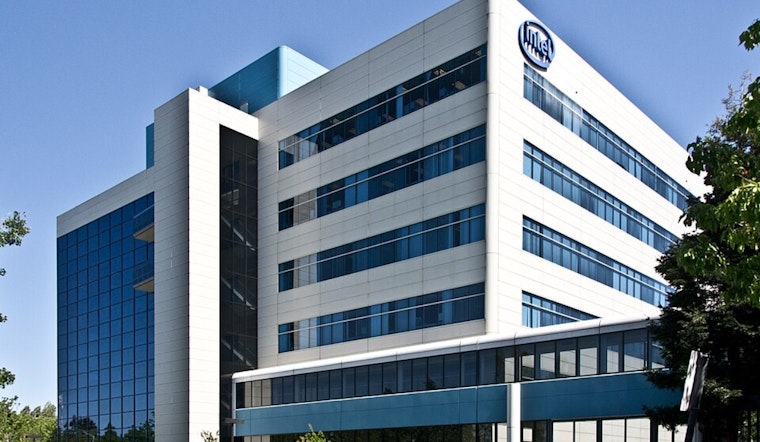
The tech world is buzzing with the recent turmoil surrounding Intel CEO Lip-Bu Tan, as President Donald Trump demands his immediate resignation amid allegations of conflict of interest due to his past ties with Chinese companies. The controversy reached a head following Senator Tom Cotton’s expression of concern regarding Tan's investments and connections with firms purportedly linked to China's military and the Chinese Communist Party. This has led to a significant 3% drop in Intel's stock value, as reported by BBC.
Amid these allegations, Tan sent a note to Intel employees, stating, "I love this country and am profoundly grateful for the opportunities it has given me. I also love this company." This heartfelt message was published on the Intel newsroom webpage and echoes his commitment to U.S. interests, despite his personal ties abroad. The note, shared by HPCwire, highlighted his dedication to "restore Intel’s strength and create the innovations of the future."
Despite the heat, Intel stands by its CEO. A company spokesperson, inspired by the contention, stated, "Intel, the Intel, the Board of Directors and Lip-Bu Tan are deeply committed to advancing U.S. national and economic security interests." The company reaffirmed its alignment with Trump's "America First" agenda, as noted by WBNS. Intel recently received about $7.86 billion in funding from the U.S. government under the CHIPS and Science Act, signifying the importance of its role in the nation's technology landscape.
Tan is known as a distinguished figure within the semiconductor sector. His appointment in March was meant to rejuvenate Intel, a company that once led the U.S. chip industry but has since lagged behind its competitors. This challenge has become even more daunting following the pressure from the U.S. president. Yet the fate of the CEO remains in the hands of Intel’s Board of Directors, who now confront their internal divisions over whether to heed President Trump's call, as per a disclosure by WBNS.
Critics within the government, like Senator Bernie Moreno, have lambasted Intel for delays in U.S. chip production plans. Meanwhile, Janet Egan from the Center for a New American Security emphasized the significance of stable leadership at Intel to scale up U.S. chip capacity. This perspective is countered by the uncertainty caused by the clash with Trump. This ongoing saga at Intel is closely watched as it bears implications not only for the beleaguered CEO but also for the future of American technological prowess and economic stability.





