

























































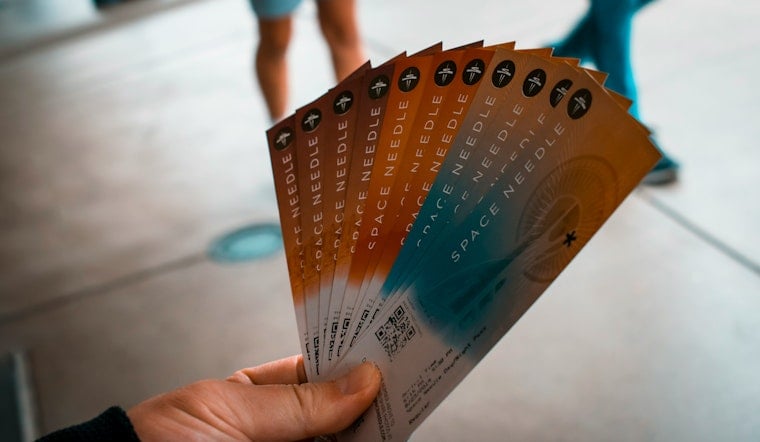
Fans planning nights out in Las Vegas say they’re increasingly getting burned by online ticket scams that promise seats to sold‑out concerts, big‑league games and marquee events then vanish after payment. With a packed event calendar this year, victims tell local outlets they often discover the listing was fake only after the show starts and refunds are impossible.
Local reporting found fake and duplicated digital tickets circulating on resale sites and social media, with scammers using urgency and suspicious payment requests to push buyers into quick transfers, according to KTNV. Cybersecurity experts quoted by the station say organized operators use bots and scraped inventory to flip tickets and that red flags include sellers who refuse transfers or demand untraceable payment methods.
National numbers show the scale of the problem
Federal data show the scale of consumer losses to fraud is climbing: Americans reported losing more than $12.5 billion to fraud in 2024, and the FTC says scammers increasingly contact victims via email, text and social channels. Those broad trends match what local experts describe, and they help explain why high‑demand cities like Las Vegas are attractive targets.
The FBI’s Internet Crime Complaint Center recorded roughly $16.6 billion in reported internet‑crime losses in 2024, with phishing and spoofing among the top complaint types — the same tactics commonly used in ticket fraud. That national picture underlines how quickly scammers can monetize big events when demand outstrips supply.
What enforcement looks like
Regulators are moving against bad actors in the resale ecosystem: federal authorities recently filed a complaint alleging a broker used fake accounts and other tactics to buy and relist huge batches of high‑demand tickets, a case reported by Reuters. Experts say that when brokers hoard inventory or list tickets they don’t actually control, it creates fertile ground for scam listings to proliferate on third‑party markets.
How to shop more safely
Major platforms and consumer groups offer consistent guardrails: buy from the venue or authorized sellers, insist on ticket transfers into your own account rather than screenshots, and pay with a credit card (not gift cards, wire transfers, or peer‑to‑peer apps), per guidance from Ticketmaster and consumer advice from AARP. If a deal looks too good or the seller pushes for secrecy, walk away — those are common signs of speculative or counterfeit listings.
When buying resale, verify the seller’s track record on the marketplace, ask for an account transfer or an order confirmation number you can check with the platform, and avoid payment methods that are effectively irreversible. These steps won’t stop every scam, but they put you in a much stronger position to dispute the charge or recover funds if something goes wrong.
Local warnings and reporting
Las Vegas authorities have been actively warning residents about related phishing and smishing schemes that impersonate courts, the DMV or law enforcement to extract money or data; the Las Vegas Metropolitan Police Department reminds the public that “LVMPD will never ask for money or threaten arrest over the phone or by text.”
If you suspect you’ve been targeted, local agencies recommend preserving the message or listing, contacting your bank immediately, and reporting the incident to law enforcement and federal complaint systems so investigators can spot patterns.
Legal context for buyers and sellers
Nevada law requires resellers to disclose the total price up front and gives consumers a private right of action if they are ambushed by hidden fees, and local plaintiffs have already filed suits accusing resale platforms of deceptive “drip pricing,” according to Nevada statutes and local reporting in the Las Vegas Review‑Journal. At the federal level, the Better Online Ticket Sales (BOTS) Act makes it unlawful to circumvent security measures used to enforce ticket‑purchase limits, and the FTC has used that statute in recent enforcement actions.
If you were scammed
Contact your bank or card issuer right away and report the fraud to the major platforms involved; if the ticket was sold on a venue’s verified resale channel, contact the venue’s box office and the platform’s buyer‑protection team. You should also file complaints at ReportFraud.ftc.gov and the FBI’s IC3 portal so authorities can aggregate information and trace wider schemes.
Scams evolve quickly around headline events, but using verified channels, protected payment methods and simple verification steps will blunt the most common cons and give you a clearer path to recovery if the worst happens.





