

























































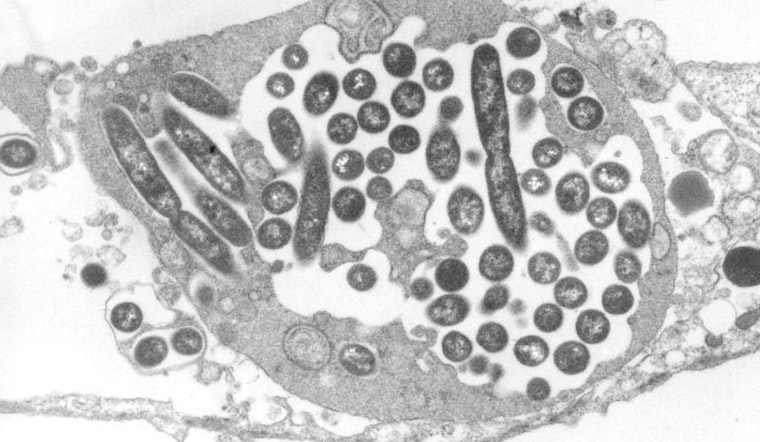
Harlem is currently facing a severe outbreak of Legionnaires' disease, with the death toll rising to six. Just a day earlier, five fatalities had been reported. The total number of confirmed cases has now reached 111, with seven people remaining hospitalized. Health officials are investigating the source of the outbreak and have identified 12 water-cooling towers in the Central Harlem area that tested positive for Legionella bacteria, as reported by Gothamist.
Notably, nine of the buildings implicated were found to be behind on the required water-cooling tower testing, or had not been inspected by the city in the over a year, according to information obtained by Gothamist. The city's health department acknowledged the increase in confirmed cases may continue as some individuals have only recently sought treatment and as earlier instances of the illness are being verified.
An investigation into the health crisis is in progress, as the State Health Department has pledged a "thorough review" of how the city has managed the outbreak. The majority of cases have been reported within specific ZIP codes in Central Harlem, including in several city-owned buildings, mentioned ABC7NY, including Harlem Hospital.
To determine the source of the Legionnaires' outbreak, scientists are conducting DNA testing on Legionella bacteria found in water samples from cooling towers. "We're very thorough, so it takes time to utilize all of those methods and put all of that information together," Dr. Enoma Omoregie from the Department of Health told ABC7NY. The process also involves placing water droplets on a plate to observe bacterial culture growth, which can take up to 10 days. Referring to the genome sequencing of the bacteria’s DNA, a step that can take up to 40 hours, Dr. Aaron Olsen of the Department of Health said, "The things that are actually doing the chemical reaction determine what that genetic code is."
As part of the response to the outbreak, the city completed remediation of the 12 identified cooling towers by last Friday. This action was necessary because Legionnaires' disease, a serious type of pneumonia, spreads through inhaling water droplets containing the bacteria. While city health officials have indicated that the number of cases is decreasing, investigative and containment efforts are ongoing. Omoregie noted that these efforts involve the continued use of advanced detection methods and also support broader public health monitoring, including surveillance of food-borne and vector-borne diseases.





