

























































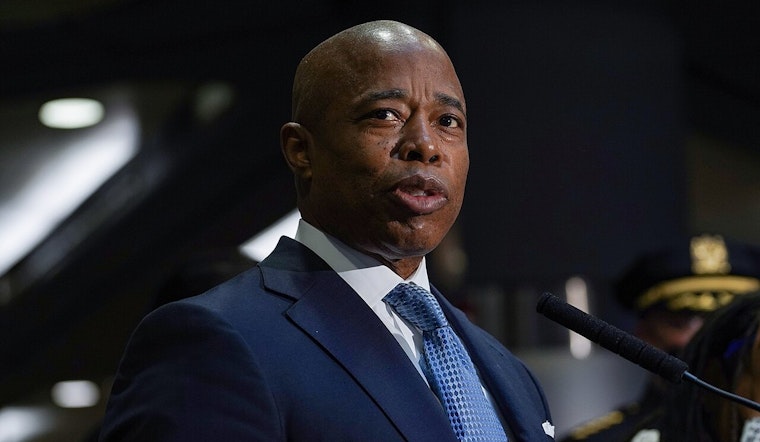
In a notable move to bolster affordable housing in New York City, Mayor Eric Adams has announced plans for the development of "Fordham Landing South," which will feature more than 900 affordable homes along the Bronx waterfront. The project, partnered with developers such as Dynamic Star and Lettire, aims to revitalize an underutilized area near the Harlem River into a vibrant mix-use community, providing a public waterfront space and a new road, as well as improved access to Metro North - redeveloping a site south of the University Heights Bridge. As reported by NYC's official website, this initiative underlines the Adams administration’s commitment to addressing the city’s housing crisis, with the project also serving families impacted by homelessness.
Momentous strides in affordable housing have been seen under Mayor Adams’ tenure where more than 426,000 homes have been either created, preserved, or planned, last week the Mayor announced an unprecedented number of affordable rental units had been created for Fiscal Year 2025, celebrating consecutive years of record-breaking achievements in providing permanently affordable homes particularly for formerly-homeless New Yorkers in tandem with increasing the accessibility to housing through the city's housing lottery, achieving strides in housing development that the city has not seen before. According to a statement obtained by NYC's official website, Mayor Adams said, "The key to your own front door is the key to unlocking the American Dream, and in the Bronx, we are making sure that dream stays strong and affordable."
Apart from affordable housing efforts, the Adams administration has enacted significant measures to enhance housing policies citywide. Among these initiatives are the "City of Yes for Housing Opportunity," a proposal aiming to create 80,000 new homes over 15 years and involve $5 billion in infrastructure improvements, along with a variety of neighborhood plans set to deliver approximately 50,000 units over the next 15 years across New York City neighborhoods. Emphasizing the family-focused aspect of housing, the "City of Yes for Families" strategy seeks to build more homes near essential amenities such as schools and transit stations, propelling an inclusive vision of urban development that fosters family-friendly environments.
The Fordham Landing South project is gaining commendation too, with U.S. Representative Adriano Espaillat expressing that, "Investing in affordable housing is an investment in a more vibrant, inclusive future along our borough’s waterfront," and New York State Assemblymember Yudelka Tapia depicting the project as a bold step for the Bronx waterfront's transformation, the city's commitment towards affordable housing has also seen the expansion of initiatives like the “Partners in Preservation” program and the Homeowner Help Desk, securing resources to support tenants and homeowners, New York City Councilmember Pierina Ana Sánchez also highlights the importance of ensuring forthcoming developments meet the community's needs for affordability and quality of life. Mayor Adams and his administration championed new tools in the 2024 New York state budget that effectively address urgent housing needs, encompassing multifamily rental construction incentives, office conversion programs, and the creation of a pilot for the legalization of basement apartments.
Dynamic Star's co-founder and CEO, Gary Segal, acknowledged the transformation from a deserted site to a desirable living destination, while Nick Lettire, president of Lettire Construction Corp., expressed gratitude for the chance to develop sustainable housing in cooperation with government and community partners. These sentiments underscore an era of proactive governance and community-focused urban development in New York City.





