

























































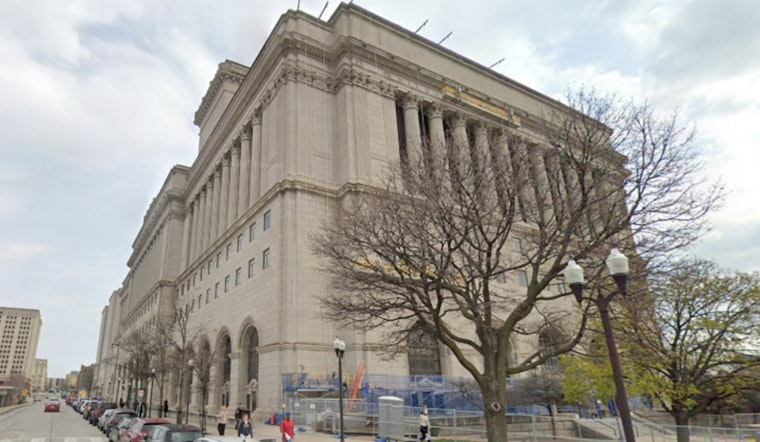
Stepping up their fight against the opioid scourge, Milwaukee County officials are channeling a $9 million windfall into a series of projects aimed at tackling the crisis from multiple angles. County Executive David Crowley together with County Board Chairwoman Marcelia Nicholson gave the green light this week for the allocation, marking a concerted effort to stem the tide of opioid misuse and its devastating fallout across Milwaukee, according to an announcement on the Milwaukee County's website.
The sweeping funding initiative is sourced from the hefty settlements Milwaukee County secured, part of the $100 million-plus it is receiving from the companies held responsible for their role in the opioid epidemic. Through seven newly funded projects, the county not only addresses the pressing needs of those grappling with opioid use disorder (OUD) but also lays the groundwork for long-term prevention and recovery strategies. In a statement obtained by the Milwaukee County, Crowley asserts, "My administration is putting opioid settlement dollars to work in ways that will save lives, strengthen families, and build safer, healthier communities."
Local government officials like Chairwoman Nicholson have acknowledged the widespread impact of the opioid crisis within the region, remaining adamant about delivering tangible support to affected communities. "This crisis has touched every corner of Milwaukee County, and far too many lives have been lost," said Nicholson, committed to delivering healing and hope. The seven distinct ventures, greenlit by the County Board of Supervisors for the fiscal years 2026-2028, include proactive door-to-door outreach to older adults, a regranting program aimed at community-based organizations, and a push towards integrating prevention education within the Department of Health and Human Services, as stated by the Milwaukee County.
Further investments earmarked for combating the crisis encompass vital improvements to the Medical Examiner’s Office, an online ordering system for harm reduction supplies reaching high overdose areas, and enhanced public data analytics for sharper insights into the epidemic. Aiming to cut down the time for investigations and bolster decision-making informed by real-time data, these efforts promise a more responsive and informed approach. Shakita LaGrant-McClain, Executive Director at Milwaukee County's DHHS, told the Milwaukee County's newsroom, "We are grateful for this funding which will allow us to expand the life-saving work that began with the initial round of opioid settlement funds."
Amidst the comprehensive initiatives, Milwaukee County also underscores the human dimension of the struggle, where emergency services and timely support can spell the difference between life and death. "When I hear of an overdose, I can't help but wonder what could have been done differently to prevent it," shared Cassandra Libal, Director of the Milwaukee County Office of Emergency Management, highlighting the critical need for speedier emergency responses and immediate availability of harm reduction tools. Together, these measures enhance Milwaukee County's capacity to meet residents "where they are, when they need us," ensuring that essential help isn't a moment too late.





