

























































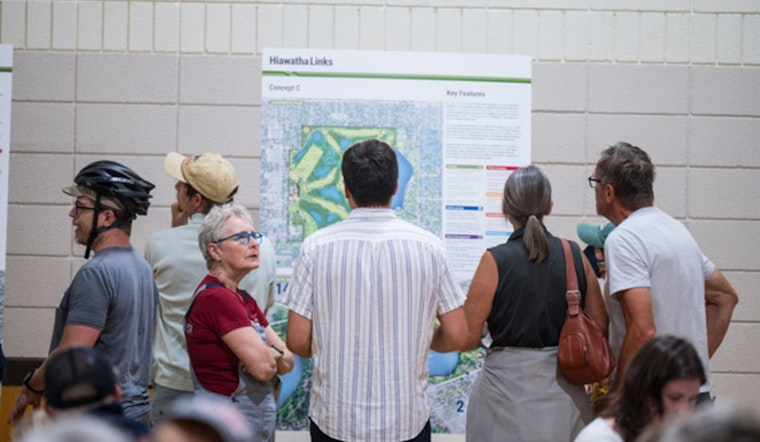
Time's ticking for Minneapolis locals to pipe up on the future of the Hiawatha Golf Course, and with a deadline of August 31st looming, the Minneapolis Park and Recreation Board (MPRB) is all ears for public input. Residents have a mere seven days left to review three proposed design concepts that aim to strike a balance between recreational use and ecological resilience at the historic golf course, according to the Minneapolis Park & Recreation Board.
With floods becoming a recurring guest, Hiawatha Golf Course is on the cusp of change. All the proposed redesigns ensure golfers can still enjoy a nine-hole, par 36 round. Each hole is planned to boast large greens and multiple tees that offer a varied play on the second time around, keeping the experience fresh and challenging. In a nod to its history, the MPRB is determined that the Solomon Hughes Sr. Clubhouse, a site steeped in Black golfers' heritage, will remain untouched in the designs. Increased and improved habitat for wildlife, a reduction in groundwater pumping, and enhanced park connectivity are other goals outlined in these concepts. Published on August 24th, 2025, interested parties can view and give feedback through an interactive map and online survey.
The site's history of flooding and unsustainable groundwater pumping necessitated the revamp, with the last significant flood sparking a move to reduce the annual 240 million gallons pumped merely to keep the course dry. Following directives from MPRB Commissioners, the resulting designs were shaped by years of analysis, public engagement, and stakeholder dialogue. The selected concept, post-feedback, will go before the MPRB Commissioners in early 2026 for approval. Funding will then be sought out, with a projected construction start no earlier than 2030, allowing golfers to continue enjoying the current course in the intervening years.
Further details on the Hiawatha Links project, including FAQs and historical background, can be found on the Hiawatha Links StoryMap for those looking to dig deeper into the site's past and the thought process behind the pending changes. For a city that places a premium on its outdoor spaces and the game of golf, the transformation of Hiawatha Golf Course stands as a test of how public feedback and ecological consideration can shape the future of recreational spaces in an urban setting.





