

























































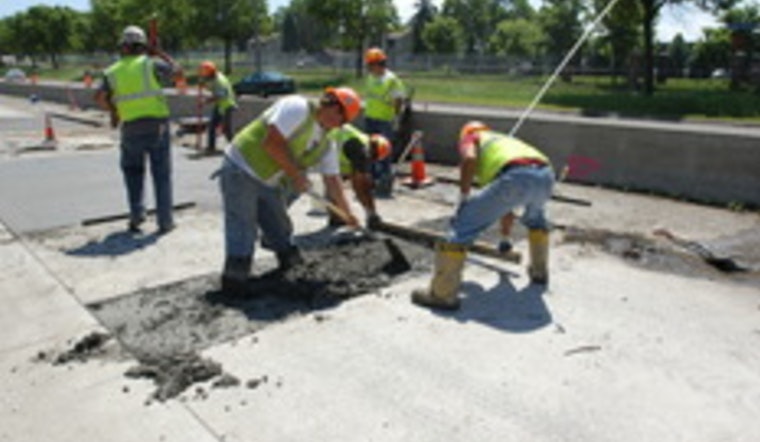
The Minnesota Department of Transportation and the Minnesota Local Road Research Board are teaming up to present a webinar that puts the spotlight on sustainable construction practices. Entitled "Building a Greener Future (From the Ground Up)," the event is set for September 18, from 10:00 to 11:00 a.m., aiming to propel the state toward a more eco-friendly construction industry. Interested participants are encouraged to register for the event, which promises insights into innovative projects aimed at reducing the environmental impact of construction materials and processes.
According to a bulletin on MnDOT's website, the webinar will highlight several key initiatives. These include the "Development of Process to Lower Global Warming Potential of Construction Materials," and the "Use of Plastics in Road Materials (Paving)." An "Evaluation of Gravel Stabilizer Used on Gravel Roads and Gravel Shoulders" is also on the agenda, reflecting the sector's persistent quest for innovation. Attendance is free, but online registration is a prerequisite for participation.
The webinar series, Research Radar, serves as a monthly platform where the latest transportation research is brought into focus. Just as radar scans the horizon for incoming objects, this series aims to detect and discuss upcoming trends and findings that could shape the future of Minnesota's transportation landscape. The upcoming session on building a greener future is part of a broader effort to educate and collaborate with professionals, policymakers, and the public on sustainable practices within an industry often criticized for its environmental footprint.
For those interested in being part of the conversation on sustainable construction and witnessing the unfolding research that could lead to greener paths, the "Building a Greener Future" webinar presents a prime opportunity. Registrations are being accepted at the MnDOT's website. It promises to be a session where the challenges of sustainability are not just acknowledged, but actively engaged with solutions that have the potential to make a tangible difference in our collective environmental future.





