

























































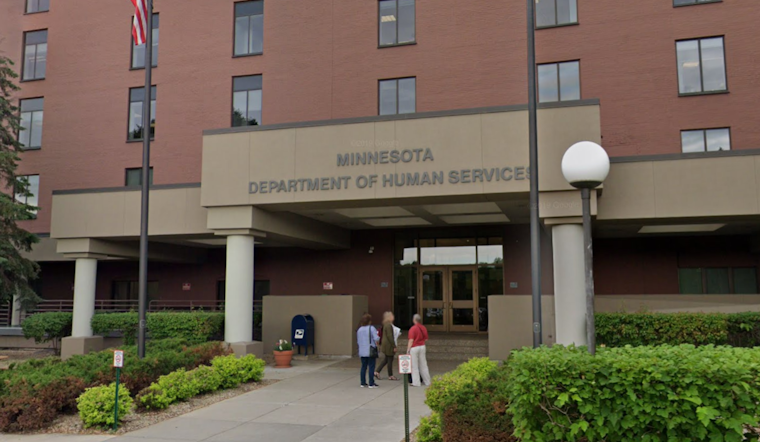
The Minnesota Department of Human Services (DHS) has issued its latest weekly digest, keeping stakeholders apprised of the recent developments from the Aging and Adult Services Division (AASD) and the Disability Services Division (DSD). High on the list of updates, DHS reminds businesses of the ongoing opportunity to register as a Community First Services and Supports (CFSS) consultation services provider, an invitation that stands as part of a broader initiative to bolster the network of support for the aging and the disabled within the community. According to the bulletin published on the DHS website, the role is vital in guiding individuals through the nuances of available services.
In addition to the consulting services announcement, DHS is actively seeking applications from organizations positioned to better integrate new Americans into the long-term care (LTC) workforce, as the deadline of September 4, 2025, inches closer. This outreach reflects an ongoing commitment to cultivate a workforce as diverse as the communities it serves. According to the DHS announcement, targeted grants provide resources to enable organizations to offer training and support, facilitating a smoother transition for both new Americans and the long-term care providers that will benefit from their inclusion.
Alongside these calls to action, DHS also detailed the latest changes to the Community-Based Services Manual (CBSM), a resource that serves as a reference for lead agencies and all interested parties involved in navigating the community-based services landscape; the July 2025 updates continue to ensure that the manual aligns with evolving policy standards and operational procedures.
The digest further includes news of DHS seeking public comments on proposed amendments to the Elderly Waiver (EW) plan – a clear signal that the department values stakeholder input in shaping policies that affect Minnesota's elderly population. Along with this call for feedback, there is news concerning elderly care facilities: the Assisted Living Report Card, which now features updated information on state licensing and investigation results, thus providing a more transparent vista into assisted living operations across the state. Detailed results from this report card are directly accessible via a link provided in the department's digest, giving readers a gateway to gain insight into facility performance metrics and compliance records.





