

























































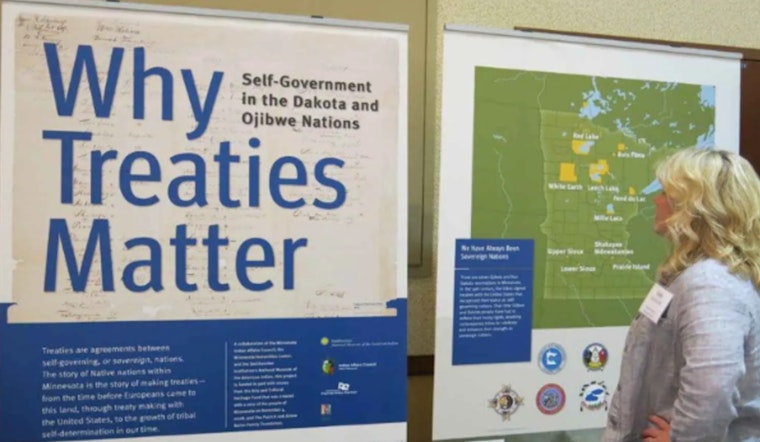
Minnesota is stepping up its game in fostering relationships between state agencies and Tribal nations, with the Tribal-State Relations Training (TSRT) at the heart of this collaborative push. The program, designed to improve communication and understanding, has been instrumental in changing the way state employees engage with the 11 Tribal nations in the region. According to an article by the Minnesota Department of Public Safety (DPS), relationships are the starting point for successful partnerships, something that the TSRT has been emphasizing since its inception in 2012.
The hands-on training goes beyond theoretical knowledge, offering a deep dive into Minnesota history and federal Indian policy through an engaging curriculum led by legal scholar Professor Emeritus Tadd Johnson Esq. Moreover, it connects state employees directly with Tribal leaders and staff, and importantly, it doesn't just throw information at attendees but builds a foundation for sustainable government-to-government ties; this information comes directly from an article published on the DPS's website, which details the program's structure and firsthand experiences from participants like Rahya Geisler, who recognize the value of such education.
As reported by the DPS, Rahya Geisler's journey with the Toward Zero Deaths (TZD) program as a northeast Minnesota coordinator emphasizes the role of TSRT in her current work, having missed opportunities in the past due to a lack of understanding around the needs and capacities of Tribal nations. Geisler's experience with the TSRT has led to the revitalization of the Tribal Traffic Safety Summit, aiming to connect traffic safety leadership with indigenous communities, incorporating their perspectives and responding to their specific needs.
In line with this growing ethos, DPS's Tribal relations director, Juliet Rudie, remarks on the necessity of daily efforts to build mutual trust and understanding; her statement, as published by the DPS, makes it clear that showing up, asking questions, and maintaining open lines of communication are pillars of this long-term relationship-building process. Upcoming TSRT events are on the calendar, with registrations opening soon for sessions at locations including Mahnomen's Shooting Star Casino and the Grand Portage Lodge, and these trainings represent opportunities to reinforce the commitment to these partnerships and achieve common goals with respect for Tribal sovereignty.
For those interested in participating in the TSRT, the DPS has listed upcoming training dates, such as October 22-23 at Shooting Star Casino, November 5-6 at Grand Portage Lodge, and January 28-29, 2026, at Black Bear Casino Resort. State employees are encouraged to register on the TSRT website, with registrations opening on September 3, as detailed in the DPS article. This continued educational effort highlights Minnesota's dedication to nurturing genuine, informed, and respectful relations between state officials and Tribal nations, one training at a time.





