

























































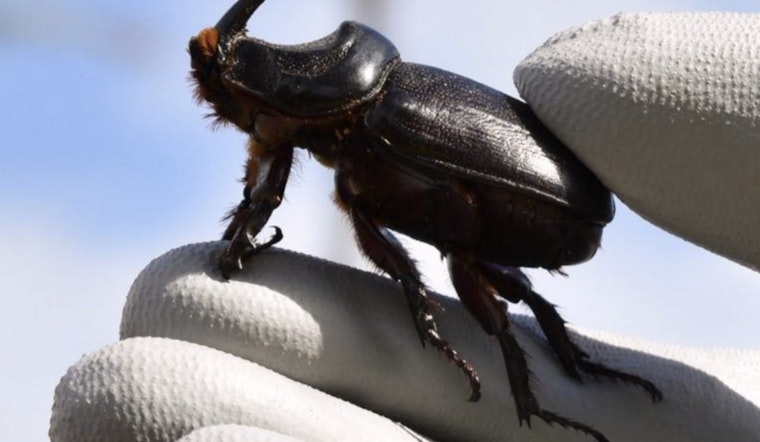
As Molokaʻi remains the last Hawaiian island untouched by the destructive coconut rhinoceros beetle (CRB), a sense of urgency is gripping its residents. Local community advocates are urgently pressing the state to impose a temporary ban on the import of high-risk materials, amid fears that these could harbor the invasive pests. According to a KHON2 report, the proposed one-year moratorium targets potential CRB breeding grounds such as potted plants, mulch, compost, soil, and gravel, commodities identified as vectors for the beetle's spread in other regions.
Already, two CRB were found and exterminated on Lānaʻi after apparently hitching a ride in potted plants from Oʻahu. Over on Maui, emergency removal strategies were implemented swiftly following beetle detections in 2023. Arisa Barcinas, a CRB response outreach associate, has emphasized the risk, stating "Any decaying plant material, compost, mulch, even potting medium—those can all carry CRB," in a statement to KHON2. Meanwhile, Molokaʻi's significant reliance on its crops and natural resources adds gravity to the potential crisis, with fears that the beetle's establishment could jeopardize cultural integrity, food security, and the local economy.
Wayne Tanaka, Sierra Club of Hawaiʻi Director, highlighted the stakes involved, "CRB establishment on Molokaʻi would fundamentally impact not just coconuts, but also bananas, kalo, and other important crops," as he told KHON2. The proposed ban comes as the island braces for increased landscaping imports tied to upcoming hotel renovations, leading to elevated stress for residents. Lori Buchanan, an invasive species coordinator and Molokaʻi resident, voiced her concerns to the Board of Agriculture and Biosecurity: "I’m panicking," she said, "We’ve done everything we can on the ground. We need help now to protect Molokaʻi."
State agriculture and biosecurity officials, however, have advised against such a drastic measure. They argue that the proposed ban might run afoul of the Commerce Clause and circumvent proven treatments that could preclude infestation, such as fumigation or heat treatment. Items like gravel, they assert, have not been shown to spread CRB. Despite official reservations, grassroots activists, including Molokaʻi resident Kunani Nihipali, remain undeterred. "This is an emergency situation for us," Nihipali relayed to Hawaii News Now, stressing the island's cultural and logistical vulnerabilities to the CRB incursion.
The board’s decision is looming, with a deadline for testimony set for Aug. 25 at 9 a.m., just a day before they are slated to meet. As residents and officials lock horns over the right course of action, Molokaʻi's future hangs in the balance, under the shadow of a beetle capable of toppling not only trees but an entire ecosystem.





