

























































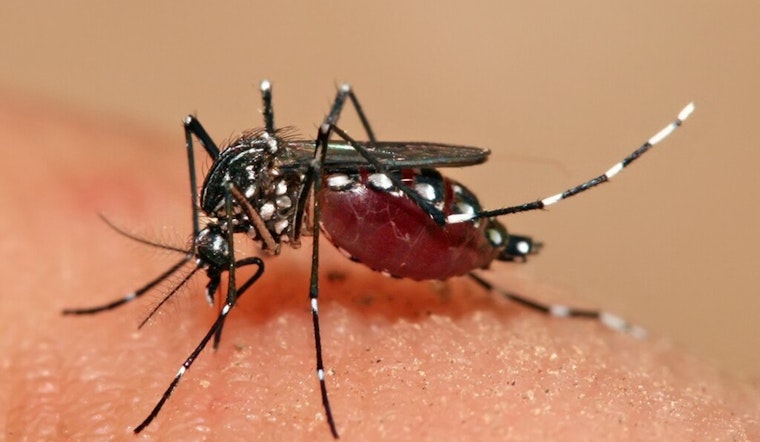
Oʻahu is experiencing an unprecedented surge in travel-related dengue fever cases, with health officials recently confirming the 10th case of 2025 on the island. The latest infection brings Hawaii's statewide total to 11 cases this year, with 10 on Oʻahu and one on Maui, positioning the state to potentially surpass last year's record of 16 travel-related cases.
The sharp increase represents a dramatic departure from typical patterns, according to Hawaii Department of Health, as previous years typically saw only about four cases annually. This year's surge has prompted state health officials to implement enhanced surveillance measures and expanded mosquito control efforts across affected areas.
Enhanced Surveillance Response
The escalating case count prompted health officials to take unprecedented action earlier this year, issuing a medical advisory recommending that healthcare providers test all persons with compatible symptoms for dengue, regardless of recent travel history. As detailed by Disease Outbreak Control Division, this represents a significant shift in surveillance strategy, reflecting heightened concern about potential local transmission.
In areas with suspected or confirmed dengue cases, according to Hawaii Department of Health, DOH personnel from the Vector Control Branch are conducting inspections and mosquito-reduction activities. Teams have been deployed to conduct inspections and implement mosquito control measures in affected areas, with officials emphasizing that reducing mosquito populations lowers the risk of dengue transmission to others.
Travel-Related Exposure Pattern
All confirmed cases this year have been linked to travel exposure, as reported by Hawaii News Now, with affected travelers exposed in countries where dengue is endemic. While Hawaii is home to mosquitoes capable of transmitting dengue, the disease is not currently endemic in the state and cases remain limited to returning travelers.
However, health officials warn that the increase in travel-related cases heightens the risk of locally acquired infections. According to Hawaii Department of Health, Aedes species mosquitoes competent to transmit dengue viruses are present throughout Hawaii, with Aedes albopictus widely distributed statewide and Aedes aegypti found on Hawaii Island.
Prevention and Control Measures
Residents can play a crucial role in prevention efforts by eliminating mosquito breeding sites around their homes. Per Hawaii Department of Health, common breeding sites include buckets, water-catching plants such as bromeliads, small containers, planters, rain barrels and even cups left outside. Mosquitoes need only small amounts of standing water to breed, making regular elimination of standing water essential.
For travelers, the Centers for Disease Control and Prevention advises using EPA-registered insect repellent, wearing long-sleeved shirts and long pants outdoors, and sleeping in air-conditioned rooms or under insecticide-treated bed nets when visiting areas with dengue risk. As outlined by Hawaii Department of Health, travelers returning from dengue-endemic areas should take precautions to prevent mosquito bites for three weeks.
Symptoms and Reporting
Dengue symptoms can range from mild to severe and include fever, nausea, vomiting, rash and body aches, typically lasting two to seven days. While severe illness can occur, most people recover within a week. If dengue symptoms develop within two weeks of return from dengue-affected areas, residents should see their healthcare provider immediately.
Suspected dengue cases should be reported to the Health Department's Disease Reporting Line at 808-586-4586.





