

























































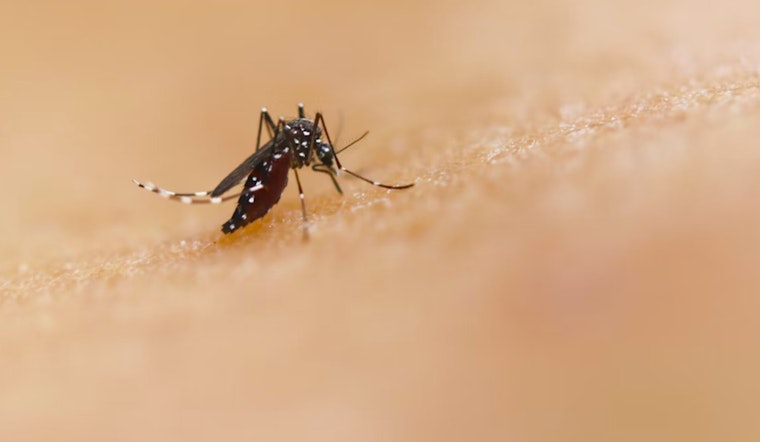
In a recent report by the Hawai‘i Department of Health (DOH), another traveler has been confirmed to have contracted the dengue virus, tallying up to the eleventh case in the state for 2025. This latest affliction occurred on Oʻahu, with 10 previous cases on the island and one on Maui earlier this year. The individual contracted the virus while visiting a region known for dengue prevalence, as stated on the official DOH newsroom.
With dengue not being endemic to Hawai‘i but rather brought in by travelers, the DOH is actively trying to prevent the spread by deploying teams to perform inspections and to aggressively implement mosquito control measures. They are urging the public to actively follow best practices, such as using EPA-registered insect repellents and wearing protective clothing, to help reduce the chance of local transmission.
According to the Centers for Disease Control and Prevention (CDC), dengue poses a threat throughout the year, especially in the tropical and subtropical regions of various continents, including Asia, Africa, Central and South America, and the Pacific Islands. Specific U.S. territories affected comprise American Samoa, where a dengue outbreak was declared on July 7, as well as the Federated States of Micronesia, the Republic of the Marshall Islands, and the Republic of Palau. Other popular travel destinations like Puerto Rico are also grappling with the disease.
The DOH is reminding anyone who plans to, or has recently visited, any areas where dengue is a risk to remain vigilant. Precautionary measures such as sleeping under insecticide-treated bed nets and avoiding outdoor activities during peak mosquito hours should be observed strictly. Unfortunately, Puerto Rico has had to extend its dengue outbreak declaration through December, indicating the ongoing struggle to control this virus. In addition to the local transmissions reported in parts of the continental U.S. like California, Florida, and Texas, the Philippines has seen a 56% increase in dengue cases compared to last year, emphasizing the disease's expanding footprint.
For returning travelers, the CDC recommends continuing to prevent mosquito bites for three weeks after their return and to seek medical attention if symptoms develop within two weeks of being back. Symptoms can range from mild to severe, including fever, nausea, and rash, and typically resolve within a week. If suspected cases of dengue arise, healthcare providers and individuals are advised to contact the DOH's Disease Reporting Line at 808-586-4586 immediately.
In neighborhoods with confirmed or suspected cases of dengue, proactive mosquito reduction activities are being carried out by the DOH's Vector Control Branch personnel. These activities are critical for lowering the risk of future transmissions. Even in areas currently free from dengue reports, residents can contribute to the prevention effort by eliminating potential mosquito breeding sites around their homes, such as small containers that collect standing water. Further information on dengue prevention and outbreak control can be found on the Disease Outbreak Control Division (DOCD) and Vector Control Branch (VCB) websites.




