

























































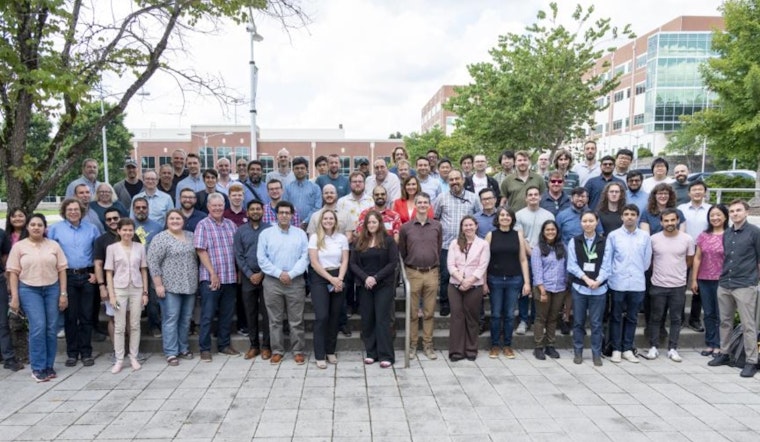
At the onset of what could be a revolutionary convergence of high-performance computing (HPC) and quantum computing, Oak Ridge National Laboratory (ORNL) has hosted the inaugural Oak Ridge Quantum Systems & Software Workshop (OQSSw). As per the folks at ORNL, approximately 75 specialists from varied sectors such as national laboratories, academia, and industry gathered on July 25 to brainstorm and foster the development of a unified software stack, named open Quantum Software Ecosystem (openQSE), to merge quantum and classical computing systems.
The focus during this gathering was to collectively and seamlessly integrate the landscape of quantum computing into HPC infrastructure. According to a statement obtained by ORNL, Amir Shehata, an HPC systems engineer at ORNL, highlighted the importance of collaboration "to try and produce a general software stack that is common across the community. " This would catalyze development and streamline support in a continuously evolving ecosystem.
The day-long event featured speeches from industry representatives, with names like Quantinuum, IBM, and Munich Quantum Valley taking the stage. Post-lunch, workshops are split into four themed sessions that touch on aspects such as resource management, applications, tool pipelines, and quantum platform views. These discussions culminated in a roundtable where insights, challenges, and the prospective pathways for progress were all laid bare before the participants.
"The convergence of HPC and quantum offers extraordinary potential to tackle complex challenges in science, industry and beyond," Tom Beck, head of Science Engagement Section at ORNL, stressed on the magnitude of establishing interoperable software stacks. He emphasized the potential of such technology to maximize impact by optimizing workloads and ensuring collaborative work between HPC and quantum systems, as recounted by a report by ORNL.
With the foundation laid at this initial workshop, the premise of openQSE is to drive innovation in quantum software by creating a community of users and developers to promote collaboration across the spectrum of quantum technology. Details of the initiative involve organizing software layers, outlining specific interfaces, and engendering a shared language for modular, vendor-neutral development. ORNL is spearheading this initiative and is discussing with numerous stakeholders to cement the architecture and formalize collaboration methods.





