

























































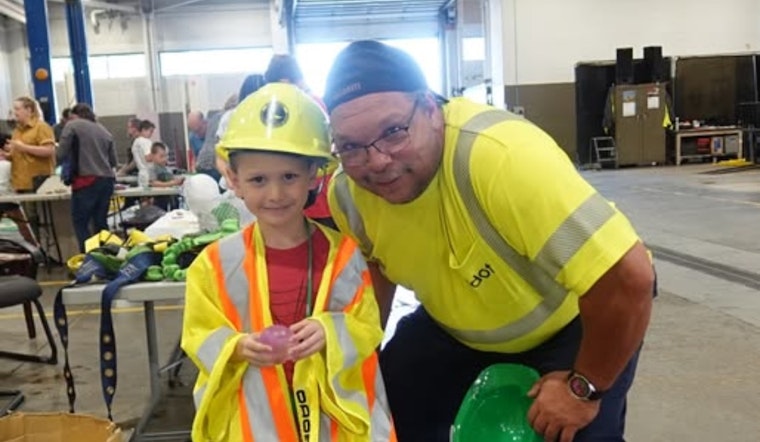
As you merge onto the freeway, blending into the river of vehicles, the Ohio Department of Transportation District 12 Cleveland is reminding drivers to consider more than just the timing of their commute. In a recent social media post, the Ohio Department of Transportation District 12, Cleveland, highlighted the flesh-and-blood reality of those orange-vested figures working just a few feet from whizzing cars and trucks: "Consider the livelihoods on the hardworking men that you speed past on the highways. They each have a family, a homelife, and a reason to go home. Don't be the reason they can't watch their sons, daughters, or grandchildren grow up."
The message is a poignant one, underscoring the personal stakes involved in what can often feel like the anonymous act of driving. Each worker on the road has a life rich with familial connections and personal aspirations—a life that deserves more than a fleeting thought as drivers navigate their daily routines. The ODOT's post serves as a grave reminder: "It's your choice to let the phone call go to voicemail, respond to that text when your park, or commit your attention to driving." These choices can carry heavy consequences not only for the drivers but for the workers as well.
Efforts to spread this message have been accompanied by the hashtags #MoveOver, #SlowDown, and #PutThePhoneDown, aiming to build an online movement that echoes across the physical one of traffic and construction. The department's dedication to protecting its workers stems from a broader initiative to secure safer work zones, where distractions can prove fatal. This call to action isn't new, but it's an evergreen appeal that gains urgency with each close call reported on the state's highways.
The campaign seeks to impact driver behavior and cultivate a sense of shared responsibility whenever behind the wheel. While many might take for granted the relative safety of a car's interior, for road workers, there is no such luxury—or should we say, armor—separating them from potential danger. Each day they step onto the asphalt, they rely on the hope that drivers recognize the humanity in the work zone signs and respect the space necessary to keep it intact.





