

























































Researchers at The Ohio State University are bringing the future of education a step closer with a new technology that pinpoints learning moments in educational videos tailored for children. A study led by Jason Coronel, an associate professor of communication, combines eye-tracking and AI to not just identify, but also predict a child's understanding of video content based on their eye movements. In a statement obtained by The Ohio State University News, Coronel explained the potential of "an AI system that can tell in real time whether a viewer is understanding or not understanding what they are seeing in an educational video."
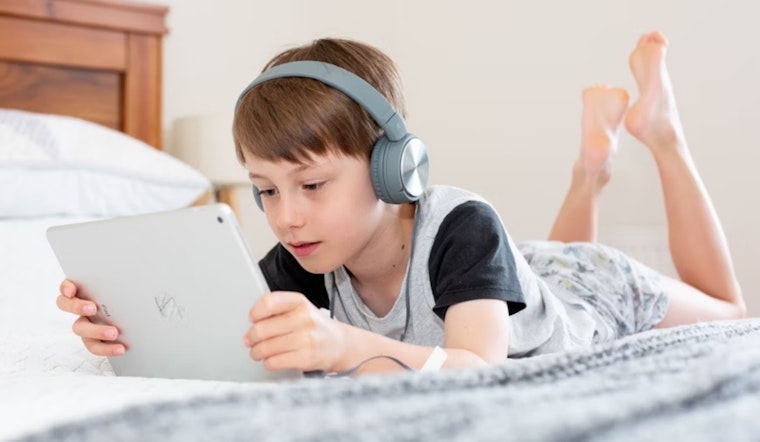
The interdisciplinary team, including experts such as Matt Sweitzer and Alex Bonus, have notably published their findings in the Journal of Communication. They tested their technology on 197 children aged 4 to 8 using popular YouTube educational series. Eye-tracking technology allowed them to monitor the kids' attention, which is a critical component for learning, as they watched a video teaching them about animal camouflage. Following the viewing, the researchers could determine the children's learning by asking them questions about the camouflage concept.
By analyzing the eye-tracking data with AI, the researchers identified key moments in the videos - seven to be exact - that correlated with the children’s comprehension. Bonus observed that these moments aligned with significant changes in the videos' educational content, known as "event boundaries." More precisely, Coronel relayed how kids who paid close attention during an early, interactive prompt featuring Squeaks were "more engaged and better prepared to understand more complex concepts introduced later."
The implications of this technology are vast, as eye-tracking technology becomes more affordable and mainstream. The promise of such advances in AI is a potential game-changer for educational equity, providing the possibility for immediate adjustments in content delivery to accommodate an individual’s comprehension needs. Coronel envisions a future, as he told The Ohio State University News, where "eye tracking can tell instantaneously when a person is not understanding a concept in a video lesson, and AI dynamically changes the content to help." Such real-time adjustments could significantly enhance individual learning experiences, offering alternate explanations to ensure a concept is grasped before moving on.
The study is still considered preliminary, but the doors it opens for the evolution of learning are seen as a major step forward. It suggests a near future where traditional delays in assessing a student's understanding - often reliant on tests and quizzes - could be replaced with instantaneous, personalized educational feedback. Truly individualized video learning could be on the horizon, proving Coronel's team's work to be a critical piece in the ever-evolving puzzle of educational technology.





