

























































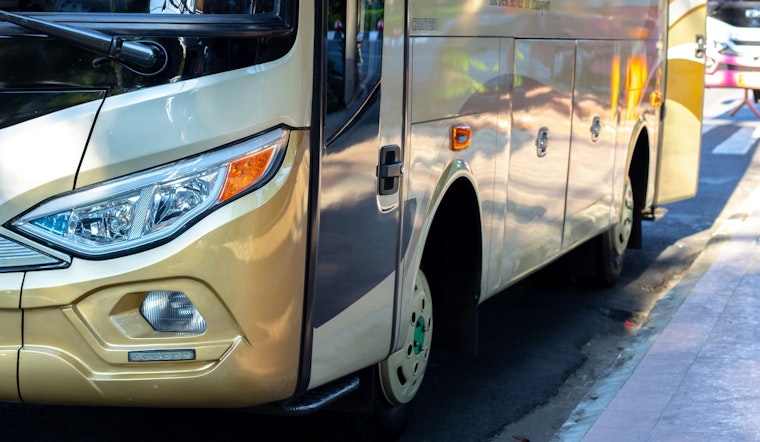
As SEPTA rolls out its service reduction today, concern grips the city, highlighting the reliance of Philadelphia’s students on public transportation. With a 20% cut in bus services and some routes entirely eliminated, parents are scrambling for alternatives to ferry over 50,000 schoolchildren to and from school, as reported by NBC Philadelphia.
Many are concerned about the well-being of their wards amid these changes; Wanda Harris, in an interview with NBC Philadelphia, is one such grandparent making the shift to driving her granddaughter, voicing worries on what those without a car would do.
SEPTA General Manager Scott Sauer spoke at a press conference on the gravity of the situation and admitted, “Taking away service is at odds with everything that we strive to do at SEPTA,” as per Penn Capital-Star's report; a sentiment felt deeply among parents and guardians. To ease into the transition, SEPTA will be positioning ambassadors at transit hubs aiding riders in adjusting to the changes, also increasing police presence on key routes, a necessity made more pressing by the service cuts that further complicate the state's budget imbroglio.
The School District of Philadelphia's superintendent Tony Watlington has urged families to organize carpools or make use of the district's Flat Rate program, offering $300 per family as disclosed by 6abc Philadelphia, an initiative providing financial aid to families affected by the transit adjustments. His statement assures that students won't be penalized for tardiness due to transportation troubles, yet college students like Maniyah Lanier, who attends Jefferson University, are anticipating a challenging semester ahead due to the possibility of delayed arrivals to classes.
Meanwhile, partisan debates simmer in the state House and Senate, throwing SEPTA and Pennsylvania’s public transit system into the fray. While the House, directed by Democrats, has pushed initiatives for funding mass transit, the Senate, steered by Republicans, responded with a provisional financing proposal, causing a rupture in the critical conversation on the future of public transport and impelling community members and the agency to confront the immediate impacts of the budget standoff as reflected in articles from both Penn Capital-Star and 6abc Philadelphia.





