

























































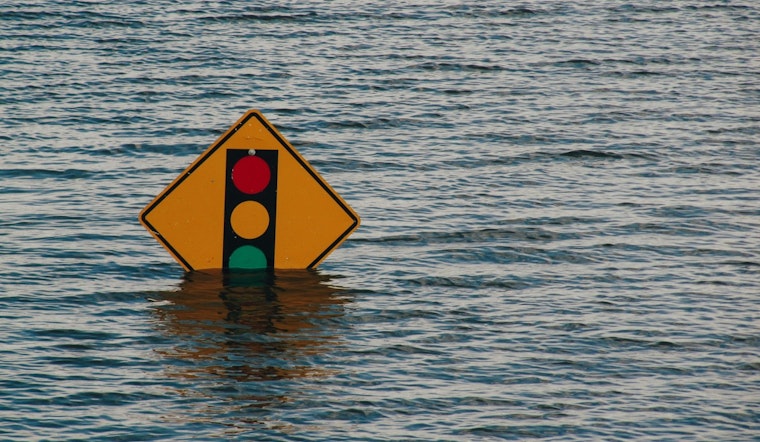
As an unrelenting storm pummeled New York City on Thursday, Queens bore a brunt of the deluge, with widespread flooding that ensnared drivers, submerged cars, and derailed mass transit plans. The severity prompted a response from high-level officials with New York Gov. Kathy Hochul declaring a state of emergency for several New York counties, including the hard-hit Queens, as cited by Gothamist. NYC Mayor Eric Adams echoed the alarm for the city, as conditions escalated into a dangerous territory.
Emergency efforts were swift as the NYPD rescued individuals from their flood-engulfed vehicles on the Clearview Expressway, highlighting the perilous conditions that unfolded throughout the afternoon. New York's Office of Emergency Management indicated that the worst of the storm had veered east, sparing some parts of the city from its full fury. However, Queens was left grappling with the aftermath of rainfall amounts that reached up to 5 inches, according to Gothamist report.
The Metropolitan Transportation Authority (MTA) did not escape the storm's impact unscathed either, with significant transit disruptions reported. MTA Chairman & CEO Janno Lieber addressed the implications of weather on the infrastructure in a statement obtained by CBS News New York, saying, "What we've experienced is the challenge of having really old infrastructure and being subject to the water that comes from all over, down onto tracks and hitting the subway and commuter rail system."
As the waters rose, first responders carried out evacuations from a trapped LIRR train near Bayside station, with passengers later recounting harrowing experiences to CBS News New York. Meanwhile, road closures and transportation delays persisted. Despite the challenges, service on the LIRR's Port Washington line was reinstated by Friday morning, albeit with some delays as the system struggled to adapt to storm runoff from surrounding areas that rushed onto tracks, as LIRR President Rob Free told CBS News New York.
As the skies began to clear, city officials deployed, focusing on mitigating the aftermath—clearing sewer grates, inspecting flood-prone areas, and ensuring the safety of residents, particularly those in basement apartments susceptible to rising waters. Amid the recovery efforts, Mayor Adams advised against nonessential travel until conditions stabilized and urged New Yorkers to stay informed on further developments through NotifyNYC or other alert systems, as highlighted by Gothamist.





