

























































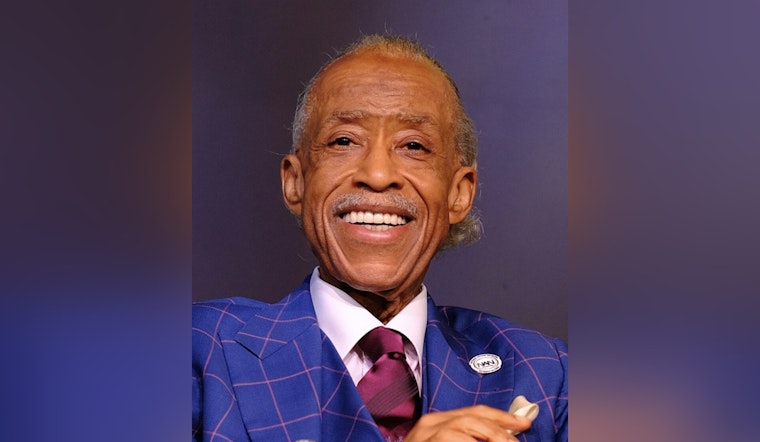
As the streets of Manhattan's Financial District swelled with shouts for equality, Rev. Al Sharpton's voice cut through the clamor during a march heavily tinged with the history of the Civil Rights Movement—one that channeled the energy and resolve of its predecessor from 1963. According to ABC 7 New York, Sharpton led the demonstration to press corporate America into taking a stand against the Trump administration's efforts to dismantle Diversity, Equity, and Inclusion (DEI) initiatives.
The event drew participants from various sectors, such as education, labor unions, and faith communities, even teens joined, signaling an intergenerational commitment to fight what many see as a rollback on progress. "hey've come for our education, our justice system, and our workplaces. But we're not standing down we're standing up. And we're standing on the power of our dollars, our presence, and our people," the National Action Network elaborated in a press release captured by ABC 7 New York.
The Seattle Times highlighted Sharpton's comments saying, "We come to Wall Street rather than Washington this year to let them know: you can try to turn back the clock, but you can’t turn back time. We going to keep the dream alive on Wall Street," indicating a strategic shift in the fight for economic justice.
The day's march, as reported by The Seattle Times, coincided with the anniversary of the iconic 1963 March on Washington an intentional move to underline the ongoing struggle for civil rights. The collective action countered President Trump's policy changes with renewed calls for economic solidarity and support for businesses that maintain their commitment to DEI principles. Sharpton urged patrons to stop patronizing those that have stepped away from such initiatives.
Starting from Foley Square, marchers passed historical sites of significance, such as the African Burial Ground, before culminating the march near Whitehall Street, participants voiced their determination to protect and extend the legacy handed down by earlier generations—with individuals like a concerned parent telling ABC 7 New York, "This means everything to me because I'm fighting for myself my child, my children, our education our futures," an expression that conveyed not only personal but also collective apprehension and hope. Martin Luther King III and attorney Ben Crump's presence contributed to the march's posture of unity and remembrance on this day of civil acknowledgment and activism.





.jpg)