

























































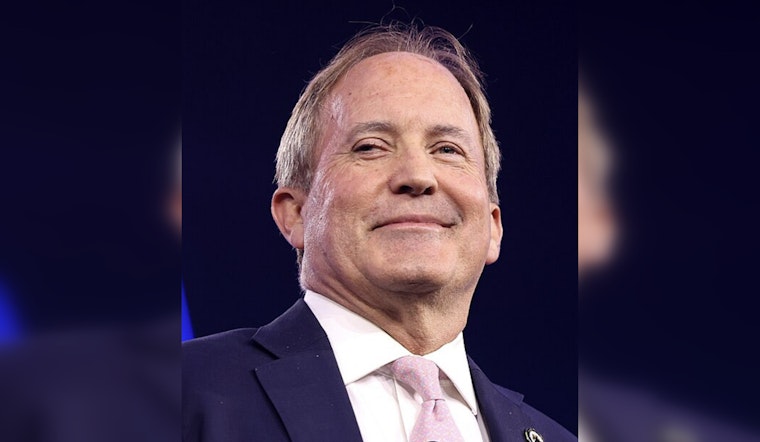
Texas Attorney General Ken Paxton is doubling down on his defense of state-level immigration enforcement. In a recent push, Paxton filed a petition for an en banc rehearing with the U.S. Court of Appeals for the Fifth Circuit, looking to uphold Senate Bill 4 (SB 4)—a Texas statute authorizing state law enforcement to detain those suspected of illegal entry into the United States. The law also empowers state judges to order undocumented immigrants to leave the country.
Emphasizing Texas's stance, Paxton stated, "Texas has a sovereign right to protect its border from the hordes of illegals seeking to invade our state and harm our citizens," according to a press release. SB 4, enacted in 2023, makes it a state offense on top of an already established federal crime to cross into Texas illegally. Mired by conflict, a panel at the Fifth Circuit previously ruled that the law was unenforceable, which Paxton now seeks to overturn.
Passed during a time when border security concerns were peaking, SB 4 provisions specifically target the mechanics of arresting and punishing individuals who have entered the state unlawfully from the Texas-Mexico border. This controversial policy asserts Texas's right to act independently of the federal government to secure its borders, harnessing a narrative of invasion and protectionism surrounding the immigration debate.
While Attorney General Paxton claims that SB 4 aligns seamlessly with federal law, critics argue it may lead to duplicative enforcement and potential civil rights violations. Paxton staunchly opposes these criticisms, having previously secured victories for the law at the Supreme Court of the United States. In light of the Fifth Circuit panel's decision against enforcement, Paxton's recent filing represents an ongoing battle for the state's autonomy in immigration matters, as the press release states it as a struggle against "Radical open border activists."
The outcome of this legal case could influence immigration enforcement approaches in other states, with some viewing SB 4 as a potential model.





.jpg)