

























































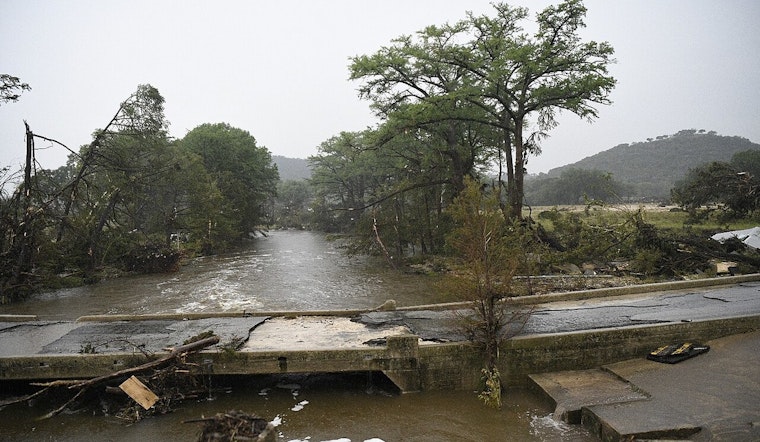
In the wake of the July 4 flood tragedy that rocked the Texas Hill Country community, emotional testimonies and detailed timelines of the events were presented to the Texas Legislature's Special Committee on Disaster Preparedness and Flooding. Kerr County leaders, including Sheriff Larry Leitha, faced the committee to provide insights into their emergency responses, which began as early as 1:14 a.m. on Independence Day when the National Weather Service issued a flash flood warning, as reported by KHOU 11.
During the session, Sheriff Leitha laid out a timeline that spanned from 1:14 a.m. to 5:01 a.m., detailing a surge of calls and rescue efforts conducted by the Sheriff's office. According to Click2Houston, officials were inundated with calls for help and rescue as waters rapidly rose, trapping residents and putting lives at risk. Leitha admitted to being alerted to the flooding at approximately 4:20 a.m., and the continued efforts, including rescues and road blockades, were intense and unrelenting in the hours to follow.
The committee also heard from victims, such as Richard Stocker and his daughter Nancy, who described the harrowing ordeal of their family home being swept from its foundation as they barely escaped the deadly waters themselves. "The water was rising too quickly for us to try to make it to higher ground on foot. So, we climbed on top of our cars and then we climbed into cedar trees," Nancy told KHOU 11.
Kerrville Mayor Joe Herring Jr. emphasized the need for a new alert system, one that is data-driven and automatic, capable of warning those in the path of danger. Herring Jr. confirmed to KHOU 11, the necessity of having city leadership also receive these alerts. Bud Bolton, a local resident, pointed out that his neighbor, not an official alert, warned him of the imminent flood—indicating a critical failure in the existing warning infrastructure. Moreover, responders are also handling the grim task of clearing debris which may contain human remains, adding to the distress of an already grieving community. As officials take notes and testimonies back to the state capital, the imperative remains clear: to review and enhance disaster response protocols and infrastructure with urgency.





