

























































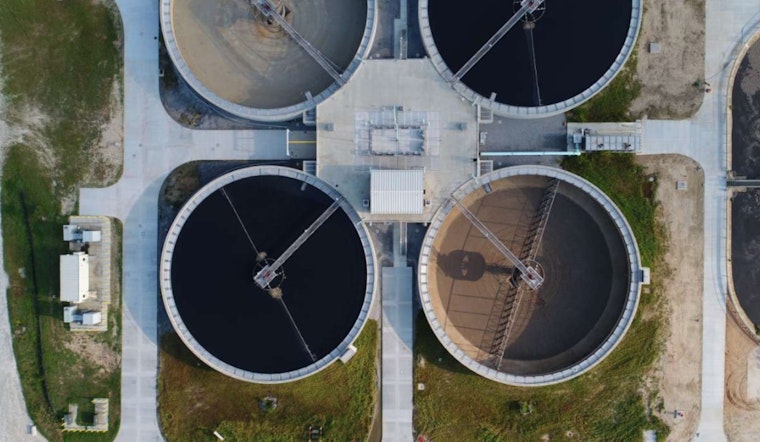
In Raleigh, the quest for clean water involves more than just human oversight. As detailed by the City of Raleigh, microscopic organisms play a significant role in the water purification process. These microorganisms, primarily bacteria and protozoa, are vital in breaking down organic matter and pollutants that find their way into wastewater.
Contrary to what some might imagine, these bugs aren't your typical garden variety. They thrive in the nutrient-rich environment of the wastewater treatment plants, which operate non-stop throughout the year. The organisms consume waste, food particles, and oils, acting as a natural cleaning crew for the water that eventually flows back into rivers and lakes.
One might not think about the diverse critters in the wastewater realm, but these facilities also host the less-known water bears, or tardigrades. These creatures are microscopic yet robust, able to withstand extreme environmental conditions that would be devastating to most life forms. Despite the name, water bears are not actual bears but small extremophiles that contribute to this ecosystem.
The process is a continuous cycle, where the microorganisms, and not bears that you would typically avoid in the forest, are integral to the filtration and cleaning process. This ecosystem design allows Raleigh Water to efficiently reclaim water 'round the clock, essential for maintaining the balance of local aquatic environments. And while water bears may boast claw-like appendages, they're far from the kind you'd find on the mammalian bear's paw.
The water from your tap goes through treatment plants where tiny organisms help clean wastewater. At Raleigh Water’s facilities, these organisms play a key role in the process, highlighting how biological systems are used in water treatment.




