

























































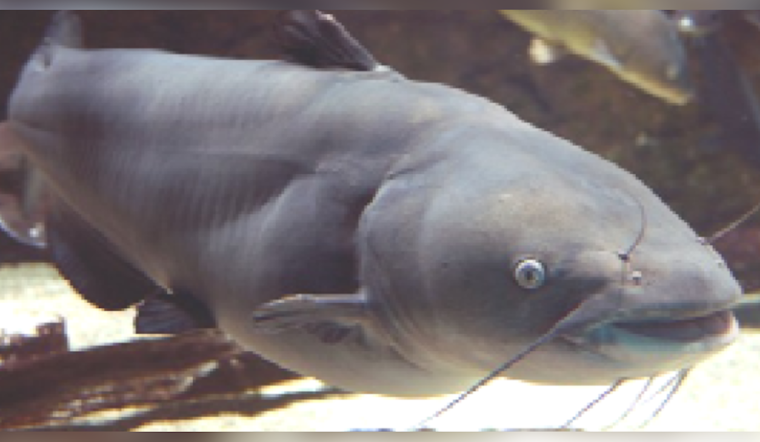
In an effort to curb the ecological disruption wrought by the invasive blue catfish in the Chesapeake Bay, the U.S. government is opening its wallet to support local industries and environmental restoration initiatives. According to WMAR-2 News, Congressman Andy Harris and US Secretary of Agriculture Brooke L. Rollins have announced a combined $6 million in grants proposed for seafood processors. This investment aims to establish a sustainable market for processing predatory fish.
The USDA, in collaboration with the Maryland Department of Agriculture, has embarked on a year-long pilot program. Purchasing up to $2 million worth of Chesapeake Bay blue catfish is one of its primary objectives. Despite being a boon to rural job creation and aiding fishermen, the predatory blue catfish has continually preyed upon more economically significant species like blue crabs and oysters. "This project benefits rural communities with new jobs, supports our fishermen, and provides essential protein to those in need," Secretary Rollins said, as per a WMAR-2 News report.
Complementing these efforts, a bipartisan legislative approach has surfaced in the form of a bill introduced last month, designed to repurpose invasive blue catfish into pet food products. Amidst these initiatives, the undercurrent of urgency is palpable. The blue catfish, introduced in the 1990s and 2000s, pose a threat to the bay's delicate ecological framework and have contributed to the decline of the blue crab population, a critical measure of the bay's health and a $600 million yearly economic driver, as reported by CBS News Baltimore.
Addressing both the invasive species and economic dilemmas, the MAWS Act of 2025, as stated by CBS News Baltimore, spearheaded by Rep. Sarah Elfreth (D-MD), proposes a $6 million federal pilot program over three years. Congress would allot NOAA $2 million annually from 2027 to 2029, with those resources funneled to entities like pet food manufacturers and animal feed producers.





