

























































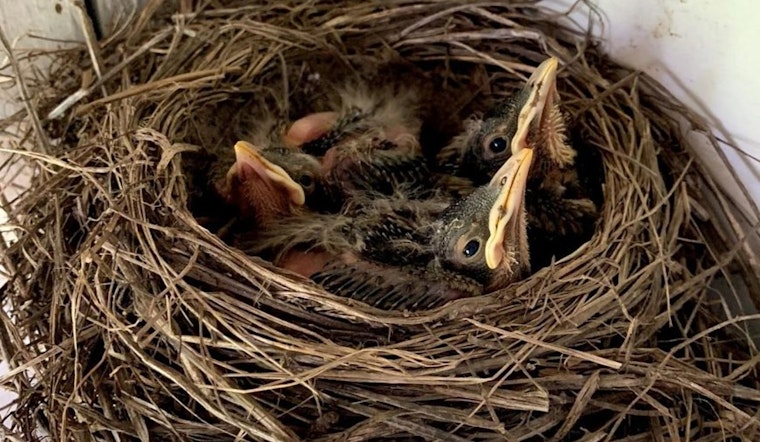
In a fresh effort to encourage respect for the flourishing of nature independent of human interference, the Wisconsin Department of Natural Resources (DNR) is issuing a reminder for residents to keep a safe distance from young wildlife. According to a recent release, native species such as rabbits, squirrels, opossums, and songbirds are amidst their natural growth and learning cycles, relying not on human intervention but on the survival skills taught by their parents.
"While it can be exciting to see a young wild animal, especially in your own backyard, it is important to help protect its safety by letting them learn the behaviors they need to survive in the wild from their parents," Jenna Fastner, DNR Captive Wildlife Health Specialist, told the Wisconsin DNR. Despite the appearance of vulnerability, these young creatures are typically quite capable of caring for themselves, and in most instances, do not require human aid.
The DNR's message comes with a slew of reasons to resist the urge to nurture wildlife in a homely setting. Wild animals experience overwhelming stress when in close proximity to humans or domesticated creatures, viewing them as potential predators. This heightened state of alarm can lead to detrimental health conditions or even premature mortality. Furthermore, the particular dietary requirements of these creatures are difficult to satisfy outside their natural habitats, posing a risk of irreversible nutrient deficiencies.
Other notable considerations include the legal repercussions stemming from state and federal laws protecting many wildlife species. Altering the inherent behavioral patterns of wild animals by exposing them to human contact or domestic animals can severely diminish their ability to reintegrate and ultimately survive within their ecosystems. In addition, these animals are potential carriers of diseases and parasites, some of which can be transmitted to domestic pets and humans.





