

























































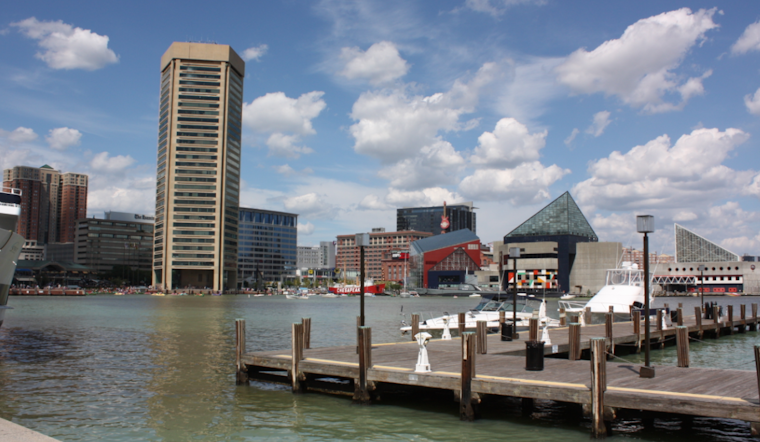
An unsettling sight greeted Baltimore’s Inner Harbor early this week, as approximately 25,000 dead fish were discovered floating in the waters from Canton to Locust Point. Among them were menhaden fish, as reported by WBAL-TV. The Maryland Department of the Environment (MDE) has indicated, after preliminary examinations, that the die-off is attributable to a precipitous drop in dissolved oxygen levels, which they suspect is a result of an algae die-off, a natural seasonal phenomenon.
The MDE's investigation showed there wasn't any single pollution event responsible for the incident, this was stated in a separate report by WMAR-2 News, echoing last year’s similar event where the cause of death for around 24,000 fish was pegged to cooler temperatures that spurred an increase in bacteria, which can deplete oxygen in the water fish rely on that incident had involved species such as Atlantic menhaden, catfish, white perch, and even blue crabs.
While the sight of thousands of lifeless fish could spark concerns of underlying environmental crises, officials have suggested that such events, though visually alarming, are not atypical for the season. MDE's crews carried out assessments as they noted the spread of the menhaden fish from various points around the harbor and took the necessary water measurements to ascertain the dissolved oxygen levels.



