

























































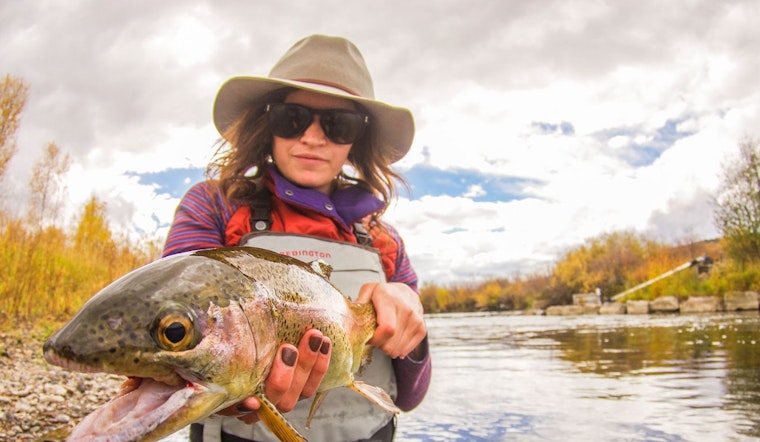
Anglers, it's time to reel in some good news. Colorado Parks and Wildlife (CPW) has given the green light to fishers by lifting the voluntary fishing closure on the Yampa River near Steamboat Springs. Thanks to better weather patterns and cooler nights, conditions have improved enough to allow fishing once again, easing a ban in place since mid-July. CPW put the restrictions in place back on July 16, aiming to protect aquatic life from warm waters and low flow, a one-two punch that can be lethal for fish.
The lift of the voluntary fishing closure applies to the stretch from the Chuck Lewis State Wildlife Area to Steamboat Springs' western limits. However, don't stash away your ethical angling hats just yet, conservationists. Other rivers still need our attention. Voluntary closures remain on the White River in Rio Blanco County, and the Crystal River near Carbondale, with no change expected until at least October, as conditions are still below par for the fish in those waters, according to Colorado Parks and Wildlife.
Specifically, the full-day fishing closure on the Crystal River has been in effect since August 15, spanning from mile marker 64 on Highway 133 to where it meets the Roaring Fork River. In the statement, CPW indicates that this is a measure against "extreme low flow conditions." In a similar protective spirit, targeted closures on the White River were implemented to curtail fishing from 2 p.m. to midnight, striking a balance between recreational use and environmental stewardship.
Wildfires have added another layer of complexity to the ecosystem's challenges. The Lee and Elk fires have left an indelible mark on the region. CPW has observed fish mortality along the northwest edge of the Lee Fire's burn area, signaling that the ecological toll of the fires is tangible, and the repercussions on the fish population are real. While the fires themselves pose an immediate danger, the aftermath is equally troubling as rain washes ash and debris into rivers, simultaneously reducing water quality and smothering the habitats on which fish rely. CPW continues to monitor these affected waterways to compare long-term data sets to gauge the full extent of the fires' impact on aquatic life.





