

























































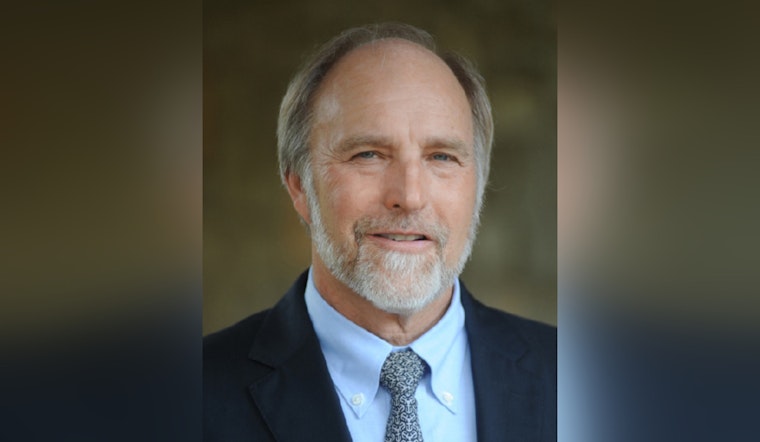
Governor Greg Abbott has decided to keep the leadership of the Fourth Administrative Judicial Region steady, reappointing Sid Harle as the presiding judge, an announcement from the governor's office confirms. Harle, who has fulfilled this role since August 2017, will continue to serve in this capacity following a new term that extends four years from the date he qualifies.
It's not every day that you get to witness a blend of experience and dedication like that which Judge Harle brings to the bench. Beginning his judicial career over three decades ago, Harle is no stranger to the intricacies of law, having presided over the 226th Judicial District Court in Bexar County for more than 29 years. His commitment to the legal sphere also extends beyond the courtroom. He continues to actively participate as the chairman of the Judicial Branch Certification Commission, among other involvements that help to decisively shape the legal framework of Texas.
The governor’s decision to reappoint Harle was detailed in an Office of the Texas Governor press release issued on September 19, outlining Harle's extensive history of service. Beyond his roles within the courtroom, the release highlights Harle's work with the Pattern Jury Charge Committee of the State Bar of Texas, where he contributed to both its Criminal and Judicial Sections. His impactful leadership was also felt during his time as the chair of the State Commission on Judicial Conduct and as a member of several esteemed boards, including the Texas Court Reporters Certification Board and the San Antonio Bar Association Board of Directors.
Harle's breadth of knowledge in law is firmly backed by his academic credentials, having earned a Bachelor of Arts from The University of Texas at Austin, followed by a Juris Doctor from St. Mary’s University School of Law. Yet, it is his off-the-bench initiatives that humanize his figure—showing a willingness to directly engage with the community through volunteer work with the Northside ISD Mentoring Program and his founding board membership of Drug Abuse Resistance Education (D.A.R.E.) and Gang Resistance Education and Training (G.R.E.A.T.). These efforts reflect a judge who aims to not only administer justice but also to proactively contribute to reducing the factors that lead individuals to his courtroom.



