

























































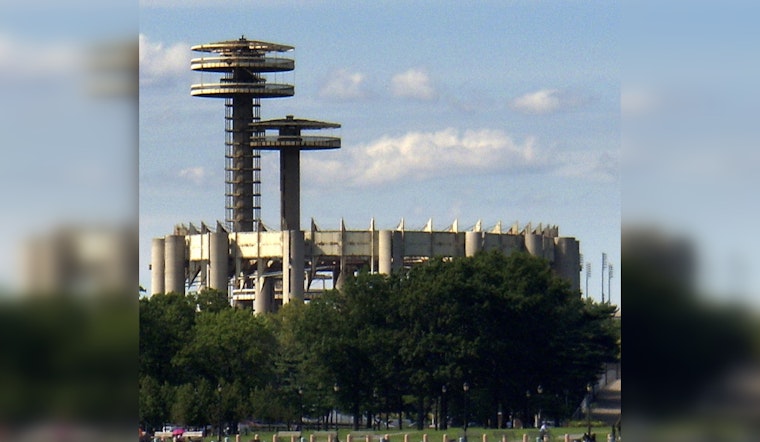
A landmark of Queens and a symbol of mid-century innovation, the New York State Pavilion is entering a new phase. After years of neglect and deterioration, the structure from the 1964 World’s Fair is undergoing restoration. As reported by CBS News New York, the pavilion known for its appearance in the film "Men in Black" is scheduled to reopen for limited tours as part of a $50 million NYC Parks project that includes electrical upgrades to light up its towers at night.
The pavilion, reflecting the fair’s futuristic design, has been inactive for years. Helen Day, president of the Richmond Hill Historical Society, retains fond memories of the fair, telling CBS News New York, "You walked down the roads, and everything was wide and beautifully constructed and just a magical place." Meanwhile, urban planner Salmaan Khan, has advocated for its preservation through his non-profit, recognizing its significance to the community.
According to the Queens Chronicle, the project includes replacing suspension cables, repair of concrete towers, electrical upgrades, and installation of original blue globe lighting, indicating a comprehensive effort to reinvigorate the structure. Work thus far has been broken into phases, with the first phase achieving several milestones, while the second phase focuses on structural steel repairs and additional concrete work.
Interest extends beyond historians and preservationists, with locals like Michael Perlman, founder of the Rego-Forest Preservation Council, anticipating the restoration. "Restoring it and creatively reusing it would be a dream come true," Perlman told the Queens Chronicle.
A full public reopening will require significant additional funding and remains a long-term goal. Completion is expected in October 2026.





