

























































Labor Day – it's more than just a holiday; it's a historical bookmark that emerged from the depths of the Industrial Revolution, a time blighted by tumultuous labor conditions, to become a symbol of rest and recognition for America's workforce. The inception of this federal holiday, as detailed in a social media post by NC Department of Natural & Cultural Resources, marks Congress's enshrining it into law in 1894, acknowledging the laborer’s "honorable as well as useful place in the body politic."
By the time Congress recognized Labor Day, twenty-three states had already adopted the day for celebration, though North Carolina wasn't yet on board, the holiday was quickly gaining momentum. The early Labor Days were flush with parades brimming with the pride of working men and women, unions highlighting their trades through floats and festive marches and it wasn't just a simple affair, businesses closed down, work halted, and the community engaged in rest and leisure to honor the spirit of the holiday, which, as they started mentioning this holiday, always seemed to revolve around a certain beloved culinary tradition – the barbecue.
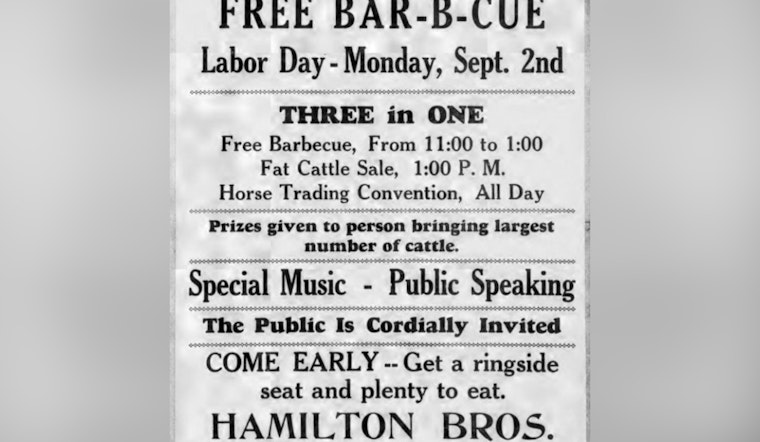
The NC Department of Natural & Cultural Resources provides an evocative snapshot of the past in their post, displaying an image from the Cherokee Scout dated Aug. 29, 1946, which heralds a "Free Bar-B-Cue." It's a testament to the rooted celebration of communal togetherness, facilitated by the shared experience of food, which spoke to the collective breather that the labor force desired and deserved. This informal tradition echoes a broader cultural acknowledgment that goes beyond mere respite, bridging societal gaps through the shared language of food and festivity.
Over time, the way Americans celebrate Labor Day has changed. Parades and public events are less common, but the day still serves as a pause to recognize the contributions of workers and enjoy the results of their labor.




