

























































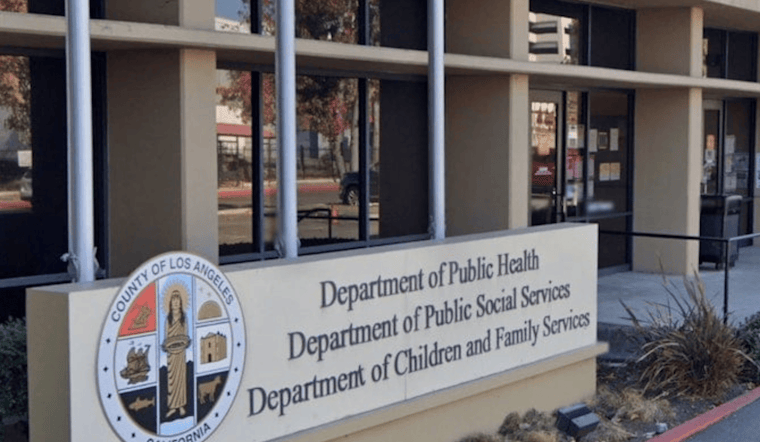
In a sobering release of data, the Los Angeles County Department of Public Health has confirmed that lead levels are over the acceptable health thresholds in certain soil samples taken from around the recent Eaton and Palisades fire areas. The full report, published yesterday, reveals that properties downwind of the Eaton Fire, specifically those with structures still intact, bore the highest rates of contamination, according to the County of Los Angeles.
Testing between February 18 and March 26 by Roux Associates, Inc., examined the presence of heavy metals and other hazardous substances in various parcels across the two regions. Of the 70 Eaton Fire Region sampling grids, ten with homes still standing showed lead concentrations beyond the 80 milligrams per kilogram threshold set by the California Department of Toxic Substances Control, as per the County of Los Angeles. The data collected suggested that the majority of the affected homes, built before regulations on lead paints were tightened in 1979, contributed to the elevated levels of lead found in the aftermath of the fire.
While the Palisades Fire did not exhibit widespread contamination, localized areas did show concerning levels of cadmium, thallium, arsenic, and polyaromatic hydrocarbons (PAHs). The origins of these toxins remain unclear. The report further highlights reductions in chemical concentrations in areas where the United States Army Corps of Engineers had completed soil and debris removal, suggesting the cleanup efforts had been at least partially effective. However, remaining hotspots still exceeded residential screening levels, indicating the presence of other possible non-fire-related contaminants.
The Department of Public Health has been proactive, sharing these findings with the community through town hall meetings. They advise property owners who might be situated in affected locales to test their soil and consult environmental professionals as necessary. Also, in an effort to prevent potential exposure to harmful substances, they're encouraging residents to don protective gear when in contact with post-fire debris and ash. Appropriate practices for managing contact with these materials are detailed in the department's FAQs.





