

























































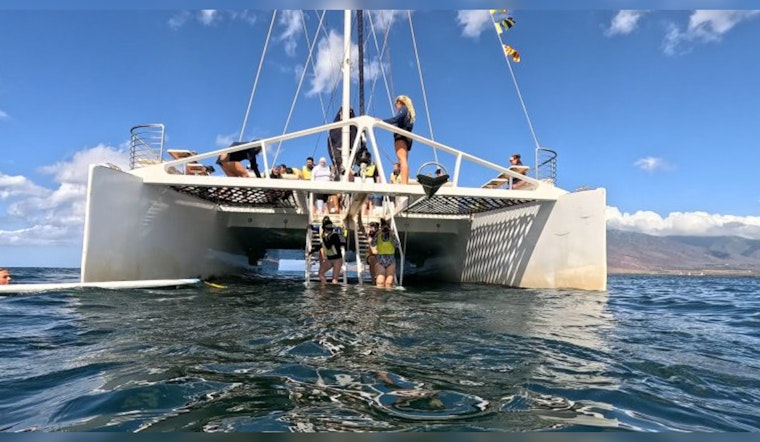
In a concerted effort to show rather than tell, the DLNR Division of Aquatic Resources (DAR) took some high-profile decision-makers on a splashy field trip, offering them a first-hand look at the state of coral reefs along Maui's leeward coast. The trip, hosted aboard a Trilogy Expeditions vessel, was part learning expedition and part stark reveal of the underwater world's realities. Swapping boardrooms for boat decks, the group included lawmakers, agency leaders, and community stakeholders, who took the plunge to witness the differences between dying corals and their healthier, more resilient counterparts. According to a press release from the DLNR, the essence of the journey was to emphasize the on-ground efforts' impact on reef health.
Exploring spots like Kalepolepo in North Kīhei, participants, guided by marine experts and community leaders, observed the coral-crippling effects of sediment runoff and poor water quality. Then, contrast was served up at Keālia Reef, where participants dove into cleaner waters, witnessing corals thriving in an ostensibly preferred environment. The excursion didn't stop at simple observation; it was an exercise in highlighting the connection between terrestrial actions or lack thereof, and their aquatic consequences. Troublingly, while the group marveled at cleaner waters of Keālia Reef, the grim imagery at Kalepolepo painted a clear picture of reefs inching toward the ecological point of no return.
The educational component was not lost on the attendees as they viewed a watershed above Māʻalaea, appreciating restoration and ungulate control efforts. Attendees listened to community advocates and professionals, including those from noteworthy organizations such as the Maui Nui Marine Resource Council and The Nature Conservancy. These partnerships, as mentioned in the DLNR report, are considered crucial for the future health of the reefs. "This workshop gave our leaders the chance to see the connections between mauka (mountain) actions and makai (ocean) outcomes," Tova Callender, DAR’s Ridge to Reef coordinator, told DLNR. Her words made clear the message of the day: actions bear consequences, and when it comes to coral reefs, those consequences are vividly tangible.
While lawmakers and officials bobbed next to the coral, brackish evidence beneath them, the workshop's success seemed to hinge not just on what was seen, but also on what could be envisioned for the future of reef conservation. Participants learned the Aloha I Ke Kai Ocean Stewardship User Fee Program's positive impacts, including the installation of day-use moorings, and DAR's Holomua Initiative, aimed at spearheading community-run marine management. Understanding that these actions on land, such as mitigating sediment runoff or keeping invasive species in check, are directly beneficial to reef health, participants emerged with wet hair and potentially, based on the DLNR's hopes, a commitment to safeguarding these vibrant but vulnerable ecosystems.





