

























































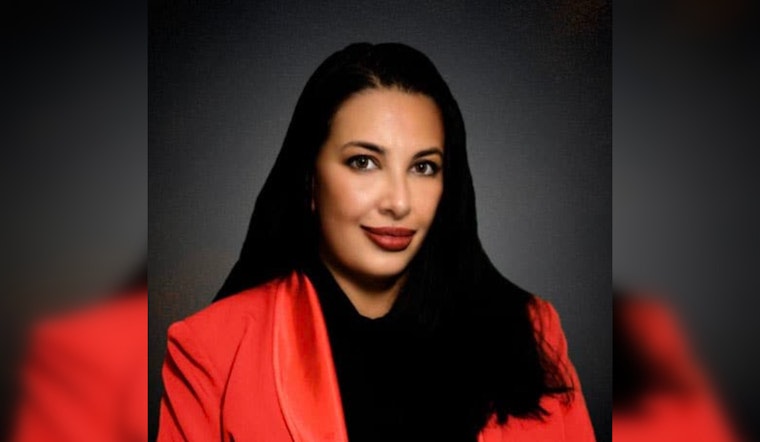
The tenuous position of Sigal Chattah as Nevada’s acting U.S. attorney has drawn legal fire, with the state's federal public defender’s office asserting in several court motions that her role is no longer valid. Their argument, as reported by The Nevada Independent, is based on what they deem illegal “personnel maneuvers” from President Donald Trump's administration that have allowed Chattah to extend her tenure beyond the initial 120-day interim term set by law. After her interim appointment ended in July, Trump named her acting U.S. attorney, thus extending her stint by an additional 210 days.
Despite Chattah's defense of her succession, affirming to 8 News Now that her appointment was "not unconstitutional" and "not done in a nefarious manner," federal public defenders are seeking to disestablish her from ongoing cases. They contend that because Chattah's period as interim U.S. Attorney has expired, it's time for district judges to validly exercise their authority and to appoint a new interim U.S. attorney, according to court filings.
Chattah’s position has been a source of contentious debate in the political arena. Nevada’s Democrat Senators Catherine Cortez Masto and Jacky Rosen have opposed her appointment, while Clark County District Attorney Steve Wolfson has openly described Chattah as "unfit to serve," as noted by 8 News Now. The challenges she faces are not isolated incidents, with New Jersey and California also having experienced similar appointment controversies.
Amidst these challenges, Chattah has not avoided making bold statements. "A lot of these people, I know that they’re scared because I know where a lot of the bodies are buried because I come from the defense world," Chattah told 8 News Now Investigator Vanessa Murphy. Her previous experience as a defense attorney has seemingly emboldened her stance against the legal filings challenging her current role. The federal public defender’s office insists that the judges of the district should to take decisive action regarding Chattah’s claimed illegitimate appointment. However, a timeline for when the federal judges will review the motions to disqualify has yet to be made clear.



