

























































In the continuing series of travel-related health warnings, Hawaii is confronting yet another case of dengue fever, marking the 13th instance this calendar year. As confirmed by the Hawaii Department of Health (DOH), an individual recently back in Oahu from traveling in a dengue-prone region contracted the disease, as reported by KITV. This revelation comes about a month after the 12th case, with the DOH underscoring that all identified cases in 2025 have been travel-related.
This recent development has prompted the DOH to implement countermeasures, which include dispatching teams for inspections and mosquito control in affected zones. According to a statement obtained by the Star-Advertiser, the "affected individual in this current case was exposed to the virus while traveling in a region where dengue is common and is not connected to prior cases." Dengue, a mosquito-borne viral illness, presents a persistent risk, especially in tropical and subtropical locales worldwide.
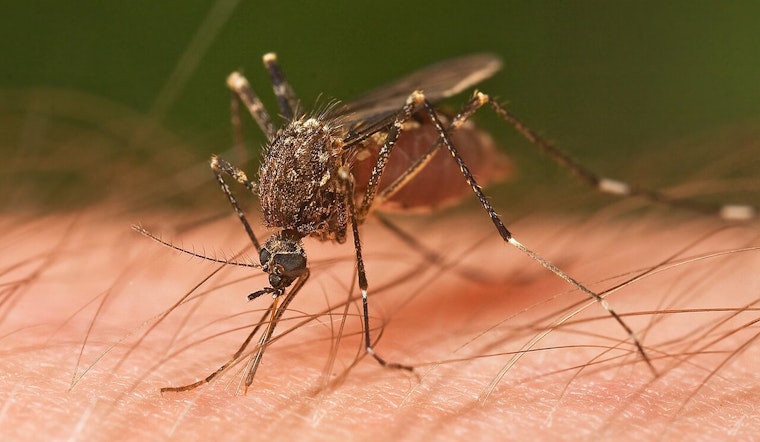
While Hawaii hosts the Aedes mosquitoes capable of transmitting the virus, the islands have so far been spared from indigenous cases of dengue. This is not the situation in several regions globally, which are experiencing particularly heightened dengue activity. Regions like the Caribbean and the Pacific Islands have been significantly affected, with Puerto Rico even extending its outbreak declaration through the end of the year.
Given the gravity of the situation, the DOH is urging the public, especially travelers, to be vigilant. The Centers for Disease Control and Prevention recommends country-specific guidance on dengue risks and prevention techniques should be reviewed at least four to six weeks before any trips abroad. Those returning from at-risk areas are encouraged to avoid mosquito bites for three weeks, and if symptoms such as fever, nausea, and body aches manifest after traveling, they should immediately seek medical evaluation, the DOH said.
The spread of dengue continues to be a global concern, with the Pacific regions, including Kiribati, Nauru, Samoa, and Tuvalu, declaring outbreaks this year. In the United States, local transmission was reported in Florida, California, and Texas last year, with Florida's cases persisting into the current year.





