

























































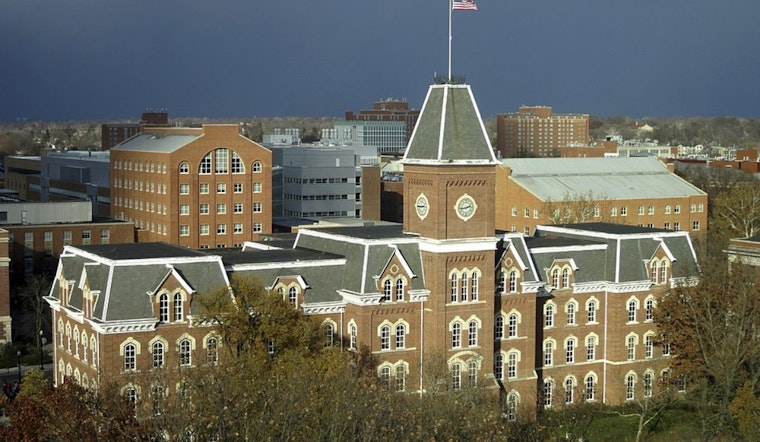
In a recent virtual session organized by The Ohio State University, U.S. military officials received specialized training aimed at bolstering their cultural and political understanding before heading into combat zones in the Middle East. The virtual assembly featured insight from veterans and scholars, including a retired ambassador and an army colonel who have firsthand experience in the region. The Ohio State’s Center for International Business Education and Research (CIBER) and the Middle East Studies Center hosted the training to bridge the knowledge gap for military civil affairs personnel, as explained in an article published by the Ohio State University.
Key to ensuring the readiness of civil affairs personnel, who serve as the connectors between the military and the local communities, their task includes aiding communities to foster stability, supporting local governance, and uplifting civilian life's quality. Scheduled to share practical tools, Emily Salopeck, CIBER’s senior analyst, highlighted the significance of grasping the nuanced economic, political, and societal drivers in these areas. She pointed out the emphasis on practical understanding, telling participants, "We hope the sessions give you practical tools and perspectives to support your work in civil affairs," according to the Ohio State News website.
During the training, speakers such as Melinda McClimans, assistant director of the Middle East Studies Center, discussed the dynamic cultural changes in Middle Eastern countries, emphasizing the importance of seeing beyond stereotypes and misconceptions. The need for a deep dive into the undercurrents shaping the region's situation was echoed with McClimans stating, "It’s good to go beneath the surface, beyond just what we’re seeing and to try to understand the underlying experiences and changes," according to the Ohio State News. Her expert opinions on the evolution of culture and economy aimed at providing valuable context for civil affairs personnel.
David Des Roches, a decorated retired U.S. Army colonel who now teaches at the National Defense University, tackled the transformation of military conflict within the Middle East. Speaking with authority, he insisted on the critical role civil affairs professionals play, especially as warfare often involves irregular military formations. "What we see is the capability inherent in civil affairs, particularly in … resource control, establishing law and government systems, and establishing justice systems," Des Roches said, in a statement obtained by Ohio State News, elaborating on their decisive impact for U.S. efforts in the region.
The training also touched on understanding local tribal customs and preventing the looting and weaponization of antiquities, with Clemens Chay from the National University of Singapore's Middle East Institute and Amr Al-Azm from Shawnee State University adding to the conversation. The incumbent importance was noted by U.S. Army Staff Sgt. Sam Packer, who is gearing up for deployment, and commended the training’s relevance and execution. Packer found the instruction directly beneficial, sharing, "The event was well planned, well executed, thoughtful, collaborative and fostered communication and understanding," as per Ohio State News. He describes his appreciation for the recent initiative.




.jpg)