

























































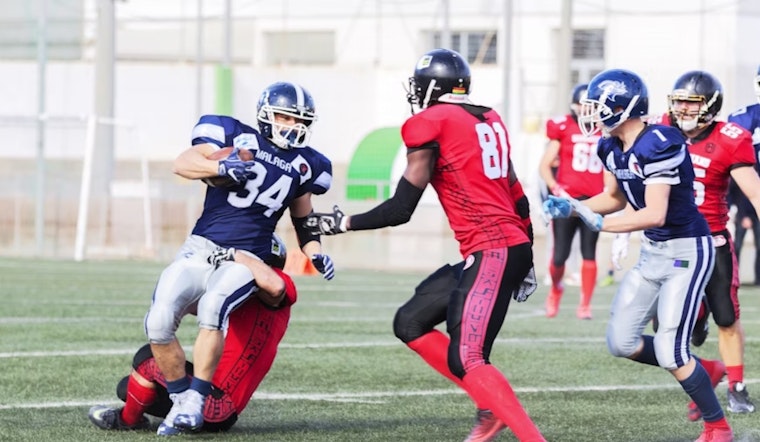
If you've noticed more kids jetting off to sports tournaments rather than playing at local parks, you're witnessing a trend backed by Ohio State University research. The study, highlighted by OSU News, indicates an explosive growth in private club and travel team participation among youth over the past six decades. The numbers are striking: kids born in the '90s are about three times more likely to get involved in private club and travel sports compared to those born in the '50s. Conducted by sociologists Chris Knoester and Chris Bjork, the study suggests a shifting landscape where youth sports are no longer mere child's play but a serious investment towards the promise of future success.
The research paints a detailed generational picture. Only 4% of adults born in the '50s reported playing for club or travel teams, while the percentage spiked to 13% for '90s kids. Affirming the rise of elitism in youth sports, the findings, based on adults' reflections of their childhood experiences, also revealed a distinct class divide. With the help of the National Sports and Society Survey (NSASS), the project found out, kids from more educated and higher social class backgrounds have seen a significant bump in club and travel sports involvement, leaving the less privileged in the dust.
Chris Knoester, in a statement obtained by OSU News, laments the shift from community-based sports to the privatized model, stressing that today's youth sports "requires extraordinary commitments from both kids and their parents." This sentiment was echoed by Bjork, who identified the prevailing thought among many parents that sports can be a conduit for college admissions and further opportunities. The study, published in the Journal of Sport and Social Issues, utilized survey data from 3,938 adults and conducted through a collaborative effort between The Ohio State University and the American Population Panel.
Economic barriers have only worsened over the years. Knoester added, based on recent stats from Project Play, that costs for a child's primary sport have leaped by nearly 50% from 2019 to 2024, and now parents are digging deep into their pockets, spending over $40 billion on youth sports annually. Bjork further emphasized that talent alone isn't enough to ensure success in the current sports ecosystem. Family income, education, and community culture all play pivotal roles in who gets to play and who sits on the sidelines. The researchers driving home a troubling point: "it is much more expensive to play youth sports today," Professor Knoester told OSU News.
This shift towards privatization in youth sports is showing no signs of slowing down, with families facing mounting costs and stress related to their children's sports engagements. Gone are the days of neighborhood pickup games being the training ground for budding athletes. With this trend marching unrelentingly forward, the socioeconomic divide within American youth sports yawns wider, putting the dreams of many young athletes on the line.





