

























































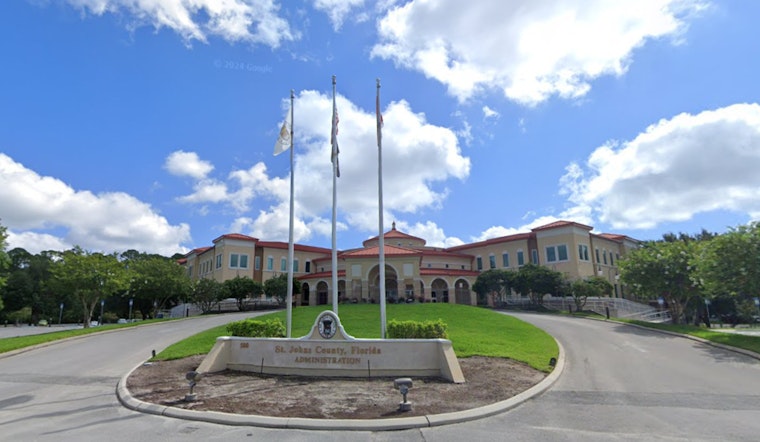
St. Johns County is charting new territory with proposed changes to its impact fees, a move that could see an uptick in funds for conservation and affordable housing. During a meeting yesterday, the Board of County Commissioners (BCC) nodded in consensus to move ahead with plans to alter the fees charged to residential and non-residential developments. This includes the introduction of a novel conservation fee and a reworking of current fee structures, moves that could shape the county's infrastructure financing and growth management.
According to updates from St. Johns County's official website, a consultancy was tasked to dissect the county’s infrastructure costs, assessing whether the existing impact fees align with the region's development goals, an ensuing analysis that has prompted the BCC to consider a series of adjustments including raising current impact fees to the statutory limit, something that Florida statutes only permit up to a 50% hike unless extenuating circumstances are argued effectively. Mike Roberson, Director of Growth Management, relayed enthusiasm for the forthcoming public hearings stating, "We have a path forward to present the proposed impact fee updates and look forward to future public hearings."
Under the proposed adjustments, revenue from the new conservation impact fee would be earmarked for future conservation land purchases by the county. Such a designated fund highlights a broader vision for safeguarding St. Johns County's natural environs for generations forthcoming. An incentive, designed to boost more affordable housing projects, would take form as a 50% waiver of fees for developments that offer rent or purchase prices below 80% of the county's median annual income. In action, this could alleviate some housing burden, making the area more accessible for lower income families striving for stability.
The changes also spell out the end of a 40% subsidy for non-residential projects, a financial break granted back in 2018 based on the data available at the time and a maximum increase in residential development fees. Roberson's ambition to bring these updates through further public scrutiny mirrors the county’s push to balance growth with sustainability and the community's needs.





