

























































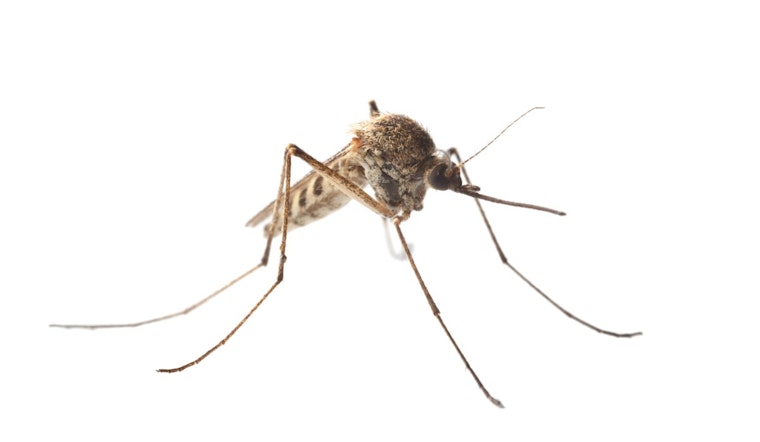
The presence of the St. Louis encephalitis virus has been confirmed in a mosquito pool located in northeast Fort Collins, as reported by the Larimer County Department of Health and Environment. This marks the first instance of the virus detection in a mosquito population within the county, according to the Larimer County Department of Health and Environment. Although there have been no reported cases in humans within Larimer County and the overall risk remains very low in Colorado, the discovery raises a flag regarding the surveillance of mosquito-borne diseases.
Transmitted by the Culex species of mosquitoes, the St. Louis encephalitis virus can lead to symptoms such as fever, headache, nausea, and fatigue. There currently is no vaccine or specific treatment for the virus, which, in rare situations, can result in severe long-term health consequences or even death. Gregory D. Ebel, Sc.D., who works at Colorado State University, led the team that found the virus during routine mosquito testing in the area, testing which typically focuses on detecting the West Nile virus. "While we regularly test for West Nile virus, this discovery of St. Louis encephalitis virus in our local mosquito population is a significant finding and highlights the importance of continued surveillance and public awareness regarding mosquito-borne illnesses,” Ebel told the Larimer County Department of Health and Environment.
The virus has been known to occur primarily in late summer and early fall in the United States, particularly in the eastern and central regions, with some recent cases also emerging in the southwestern states. According to Roxanne Connelly, Ph.D, MS, the Lead Entomologist at the CDC's Arboviral Diseases Branch, occurrences like this are not unusual in the western U.S., and vigilance is key. “It is not unusual to see reports of mosquitoes in the western United States testing positive for St. Louis encephalitis virus. While this is Fort Collins’ first detection, the city—and state as a whole—has a long history with Culex mosquitoes since they can also spread other viruses like West Nile. This detection underscores the importance of continued partnership in mosquito surveillance so we can identify early signals and take quick action to protect against mosquito-borne viruses,” Connelly affirmed, as per the Larimer County Department of Health and Environment.
Tom Gonzales, Larimer County Public Health Director, emphasized the ongoing need for public awareness, despite the 2025 mosquito season approaching its end due to the cooler evening temperatures. "We are fortunate to have robust collaborations with CSU and the CDC for mosquito testing, which serves as a crucial early warning system for our community," says Gonzales, as obtained by the Larimer County Department of Health and Environment. To prevent mosquito bites, residents and visitors are advised to use EPA-registered insect repellent, wear protective clothing, and eliminate standing water from their surroundings to discourage mosquito breeding.





