

























































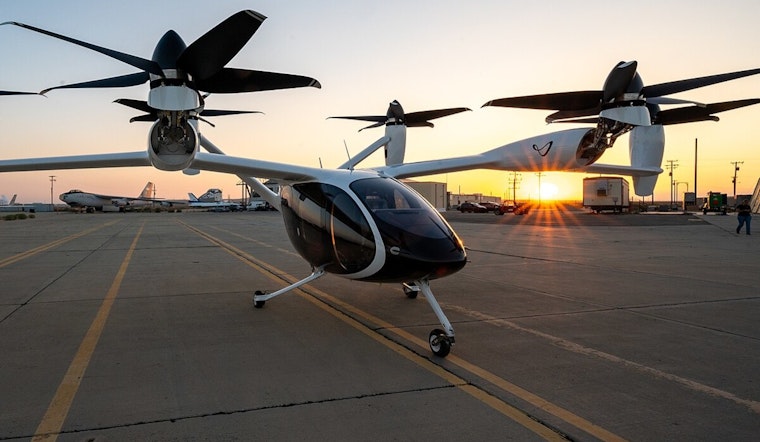
The future of American aviation is pivoting towards the skies above us in a way reminiscent of sci-fi predictions, but don't expect flying cars to dodge skyscrapers just yet. U.S. Transportation Secretary Sean P. Duffy has put forth a plan to jump-start the next wave of aerial transit by introducing a pilot program aimed at integrating advanced air mobility (AAM) vehicles into the country's aviation framework. In simpler terms, think air taxis and cargo drones that might soon buzz over rural and urban landscapes alike.
This Electric Vertical Takeoff and Landing Integration Pilot Program (eIPP), revealed by the Federal Aviation Administration (FAA), is a collaborative endeavor hooking up public and private sector efforts to navigate the complex territory of regulating these futuristic flyers. It's an ambitious move by the Trump administration, which previously gave its blessing to unleash a drone-dominated sky.
Secretary Duffy was confident and to the point when he addressed the media, asserting, "The next great technological revolution in aviation is here. The United States will lead the way, and doing so will cement America's status as a global leader in transportation innovation," as the FAA's newsroom reported. The anticipated payoff from this revolution includes high-paying manufacturing jobs, not to mention the sheer convenience of cutting down on our daily commutes.
Moving from congested highways to more open airways isn't just about getting from point A to point B with some flair. The scope of eIPP, as outlined by Duffy, covers short-range air taxis and longer-range, fixed-wing flights, essential for reaching hard-to-access locales. Even cargo logistics for emergency management and offshore energy resources are in the program's crosshairs. FAA Administrator Bryan Bedford notes, "This pilot program gives us another opportunity to advance the Administration's plan to accelerate safe eVTOL and advanced air mobility operations across the United States," and from this vantage, the eIPP's mission seems poised to play a pivotal role in transforming our expectations of air travel.
As for the AAM vehicles, the eIPP has earmarked at least five projects to kick things off, set to span three years beyond the first operational initiative. It seems that from traffic jams to transporting the critical, this plan could be the blueprint for a cleaner, leaner future of transportation. Only time and the industrial winds will tell if these advanced vehicles can truly lift off with the weight of such expectations.





.jpg)