

























































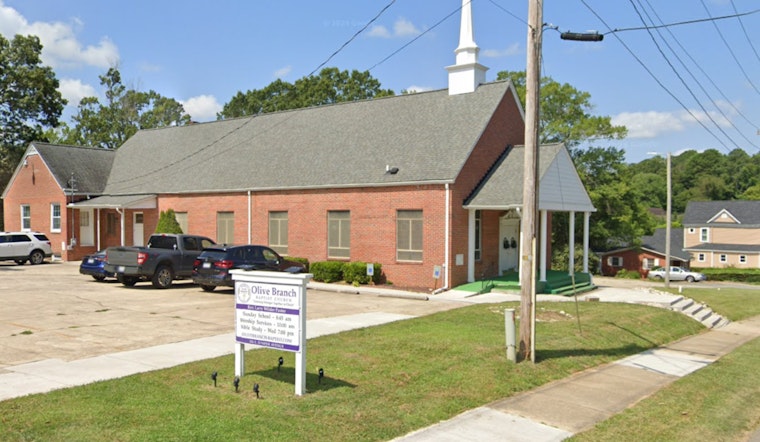
Interest in historical preservation is steadily increasing, and Wake Forest is contributing to the conversation this October. The town's Historic Preservation Commission (HPC) is set to host two Cemetery Preservation Workshops focusing on a blend of modern technology and traditional care. The workshops are scheduled for Saturday, Oct. 4, at Olive Branch Baptist Church Cemetery and Saturday, Oct. 25, at Friendship Chapel Baptist Church Cemetery, as reported by the Town of Wake Forest news release.
These aren't your average garden-variety workshops. Rather, they're poised to skillfully use Ground Penetrating Radar (GPR) to revolutionize cemetery preservation. GPR's insights can help to better identify burial grounds, a crucial step in the maintenance of our historical legacies. Both sessions promise identical content, aimed to educate participants on the nitty-gritty of cemetery identification, maintenance, and long-term care. Registration is mandatory and spots are limited, so those interested should head to the town's website to secure their place.
The importance of such hands-on workshops cannot be understated, especially when they're backed by federal funding. The Historic Preservation Fund Grant, under the National Park Service and U.S. Department of the Interior, has generously supported this initiative, channeled through the NC Historic Preservation Office. While federal support has been offered, it's important to note that the views expressed in the workshops might not necessarily reflect those of the Department of the Interior, as per the funding disclaimer.
For those planning to attend, practical attire is highly recommended. You'll need to be ready to actively engage with the challenges of outdoor environments. This means dressing in protective clothing, putting on sunscreen, a hat, and forgetting the idea to even wear flip-flops. It's all about close-toed shoes instead. Accessibility is limited at these historic sites, so it's urged that potential participants reach out if there are any concerns about mobility to ensure the experience is as stress-free as possible.





