

























































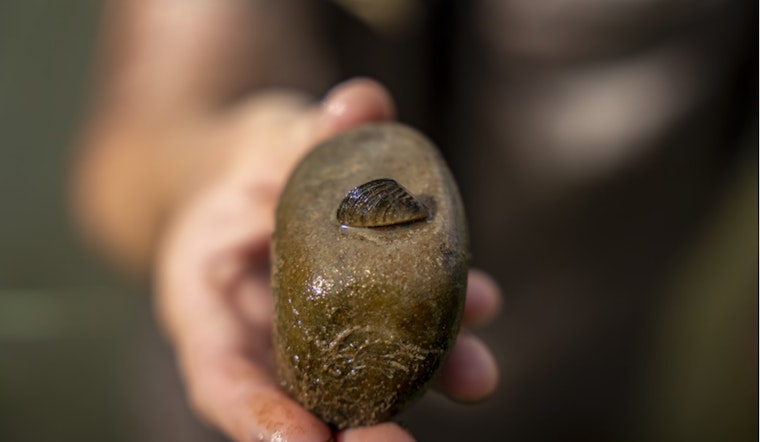
It's official, the Colorado River has joined the list of "infested" waters after the discovery of adult zebra mussels, according to Colorado Parks and Wildlife's recent findings. On August 28, Colorado Parks and Wildlife's Aquatic Nuisance Species team detected the invasive species in the Colorado River and nearby Lake in Grand Junction. Jeff Davis, CPW Director, lamented the news but praised his team's dedication, stating, "It was because we have a group of individuals dedicated to protecting Colorado’s water resources that these detections were made," as per Colorado Parks and Wildlife.
The pesky mussels were first suspected when veligers, zebra mussel larvae, tested positive for zebra mussel DNA at West and East Lake. Following up, CPW staff discovered suspected adults on September 2nd. The infested areas now stretch from the 32 Road bridge downstream to the Colorado-Utah border, marking a concerning milestone for the river's ecosystem. Robert Walters, CPW Invasive Species Program Manager, told Colorado Parks and Wildlife, "Our priority remains utilizing containment, population management and education to protect the uninfested waters of the state."
This invasive species saga took a turn when samples sent to the Aquatic Animal Health Lab confirmed the presence of adult zebra mussels on September 8. Now labeled an "infested" water body, the Colorado River's new status indicates a reproducing population of the invasive species, and it's not a title taken lightly. According to the protocol, once multiple life stages are detected, the "infested" moniker is given, which invites a new level of concern and necessary action for containment.
Beyond the river, places like Highline Lake, Mack Mesa Lake, and a few others have been dragged into the fray, receiving the same ominous designation. Even a private body of water in Eagle County has been treated with a copper-based molluscicide, EarthTec QZ. Despite these setbacks, CPW persists with monitoring efforts, having analyzed over 400 water samples from the Colorado River since mid-April. With no detections from the Eagle and Roaring Fork rivers, hope floats for these areas to remain mussel-free.
But CPW can't shoulder this burden alone. They're calling upon private pond and lake owners, especially those utilizing Colorado River water, to be vigilant and allow inspections. Assistance from the public is critical for the ongoing protection of aquatic ecosystems, as outlined by Walters' appeal to the community. Users of river water are urged to report sightings, and CPW encourages responsible boating and fishing practices to prevent further spread.





