

























































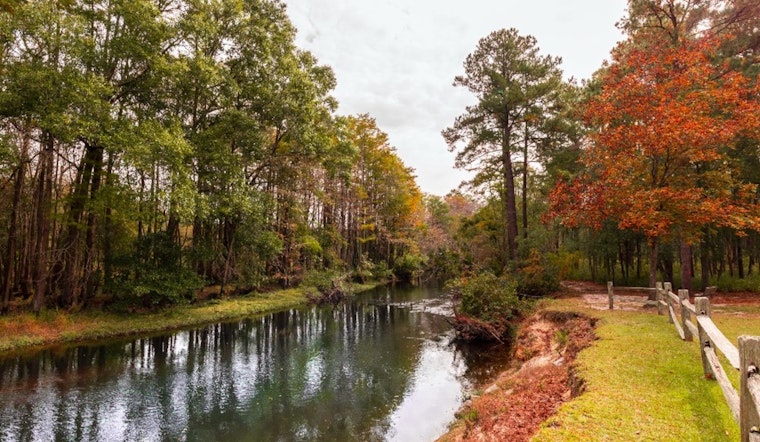
The North Carolina Department of Natural and Cultural Resources (DNCR) recently announced a significant federal infusion to bolster the state's outdoor recreation areas. Funded by the federal Land and Water Conservation Fund (LWCF), a hefty $26.5 million in matching grants is slated for distribution across a plethora of parks and recreation projects within North Carolina. These grants, designed to be complemented by state and local funds, aim to propel total investment figures to approximately $56 million, thereby enhancing the outdoor spaces that North Carolinians frequent for exercise, solace, and recreation.
According to a statement from DNCR Secretary Pamela B. Cashwell, the federal support is invaluable in promoting both tourism and economic growth state-wide. She noted that North Carolina's scenic backdrops provide unique opportunities for outdoor engagement. In the same vein, State Parks Director Brian Strong emphasized the anticipated swath of benefits, explaining how green spaces in various settings can broadly elevate quality of life for residents, a sentiment echoed by public officials and recreation enthusiasts alike.
Detailing the incoming funds, the fiscal year 2025-26 will see North Carolina's allocation from LWCF increase to $10.69 million, up from the previous year's $7.8 million. The 2024-25 grants have already been designated, with two state projects and four local initiatives set to reap the fiscal windfall. Notably, Weymouth Wood Sandhills Nature Preserve and Lumber River State Park are among the beneficiaries at the state level, while regions such as Johnston County and the Town of Lawndale are set to see enhancements in local parks and recreation facilities.
Furthermore, three additional projects previously secured funding through the Outdoor Recreation Legacy Partnership (ORLP) fund, a component of the LWCF targeting underserved urban communities in need of expanded recreational opportunities. Among them, Buncombe County received a considerable sum to protect the landscapes enveloping Deaverview Mountain, while Garner and Raleigh invested in sports complex expansions and the transformation of a maintenance site into a newly minted park. Assistance for these various applications is made possible through collaborative efforts with Recreation Resources Service at N.C. State University.
The DNCR's expansive management includes over a hundred locations, such as parks, museums, aquariums, and heritage sites. Such stewardship reinforces North Carolina's cultural and natural heritage, playing a critical role in the state's broader mission to encourage education, economic vitality, and community well-being.





