

























































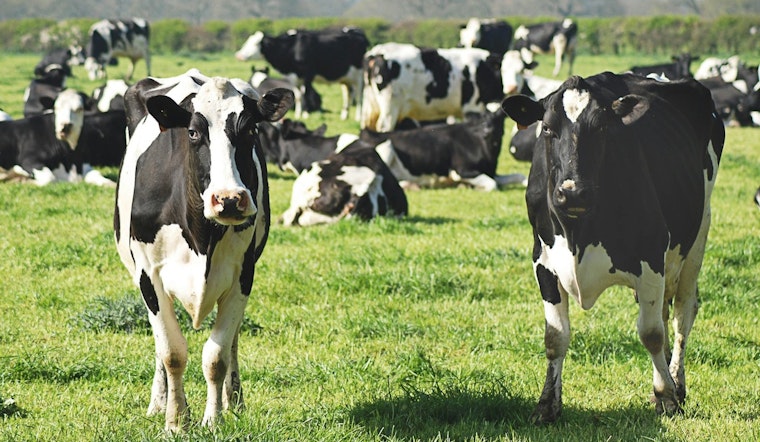
Arizona cattle ranchers have found themselves at odds with President Trump's recent suggestion to import beef from Argentina as a strategy to reduce consumer prices. The announcement, which had an immediate impact on the cattle market, causing beef futures to drop sharply, has been met with resistance from those within the industry. According to a statement obtained by ABC15, Brian DeGanahl, a third-generation Arizona rancher and president of the Arizona Cattle Growers Association, believes that the president's comments sent shockwaves through an industry that is already navigating thin margins.
Despite the upheaval, DeGanahl, whose days are filled with tending to his herd and ensuring the fall workload of branding and vaccinating calves is carried out, sees the recent upturn in profits as a sign of a self-correcting market. He argues that the government's proposed imports could endanger the livelihoods of American ranchers. "90% of cattle ranchers are Trump voters," he said. "But this was something that we have to call him on, and say no, we don't agree," DeGanahl told ABC15.
On the other side, some ranchers believe that the current beef prices — up about 12% compared to last year, according to the Bureau of Labor Statistics — reflect a wide range of contributing factors. Tim Petersen, vice president of the Arizona Cattle Growers Association, emphasized to AZFamily the effect of persistent drought and rising operational costs across the industry.
Furthermore, Ben Menges, an eastern Arizona cattle rancher, stressed the practicality of current beef prices, drawing a comparison to a common seasonal beverage. "I did want to say that the price of one pound of ground beef is about the same price as a pumpkin spice latte, so it's not that expensive and the price of ground beef is a lot better for you," Menges explained to AZFamily. He calls for the government to alleviate regulatory barriers as a more sustainable solution to expand local herds, which could lower beef prices rather than relying on imports.
The apprehensions of these ranchers underscore a broader economic narrative, where self-reliance and market forces are pitted against proposed policies of importation designed to alleviate consumer costs. With the head count of cattle at its lowest since the 1950s, as reported by the Department of Agriculture, this is a pivotal moment for the industry and the country's approach to its beef supply. As of October 24, President Trump had not made any official decisions on whether to proceed with beef imports from Argentina.





