

























































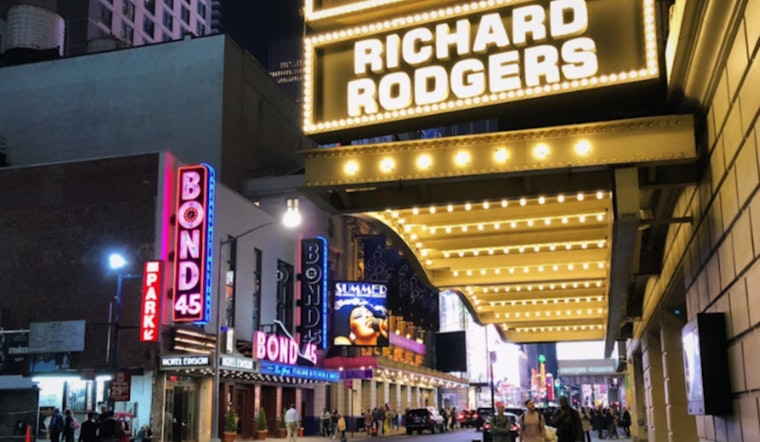
Broadway faces a potential turning point as major labor unions push the industry toward possible disruption. According to ABC7 New York, Actors' Equity Association and American Federation of Musicians Local 802 have each voted in favor of a strike authorization, signaling a readiness for labor action should contract negotiations stall with producers.
This situation takes place during an industry rebound, with Broadway reaching a record $1.9 billion in ticket sales last season. Despite the financial improvement, union members are seeking higher pay and increased healthcare contributions. Local 802 is negotiating with producers over reductions in jobs, wages, and health benefits, which Local 802 President Bob Suttmann has described as unacceptable. "On the heels of the most successful season in history, the Broadway League wants the working musicians and artists who fueled that very success to accept wage cuts, threats to healthcare benefits, and potential job losses," Suttmann told NBC New York.
As the strike vote approaches, negotiations between the unions and The Broadway League continue, with both sides seeking a deal. The Broadway League provided a brief statement, obtained by NBC New York, emphasized that "good-faith negotiations happen at the bargaining table, not in the press," and further stated their commitment to reaching "a fair contract." The most recent major strike on Broadway occurred in 2007, when a disagreement with the stage employees closed theaters for almost three weeks, significantly impacting the industry's revenue.
With the possibility of an industry-wide strike looming, some productions may avoid disruption due to separate labor agreements. Shows such as Beetlejuice and Mamma Mia! operate under tour contracts, while nonprofit theater productions, including Ragtime at Lincoln Center Theater and Punch from the Manhattan Theatre Club, are not subject to the standard Broadway contract. As reported by ABC7 New York, more than thirty members of Congress, including the entire New York delegation, have urged the parties to “bargain in good faith” to prevent a strike that could affect the economic and cultural landscape.





