

























































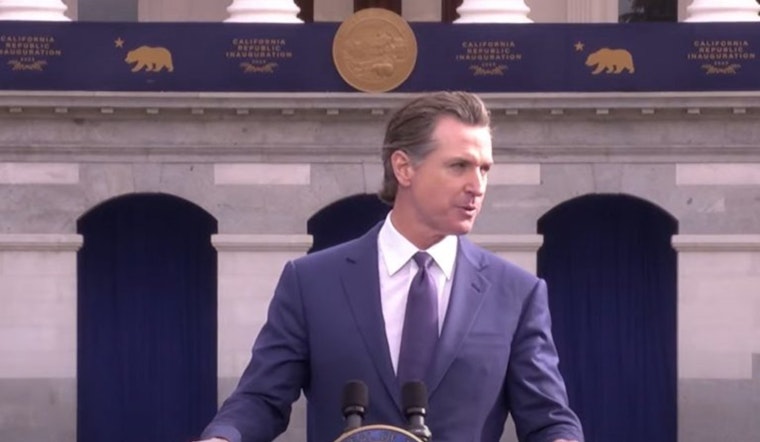
In a move to bolster the state's efforts in wildfire prevention amidst federal cutbacks on fire response, Governor Gavin Newsom has issued an executive order that emphasizes California's commitment to fire prevention through the expansion of beneficial fire techniques. As reported by a recent statement, this strategy involves an increased implementation of prescribed and cultural burns as tools to reduce the risk of catastrophic wildfires.
Newsom's directive seeks to cut through bureaucracy and provide an array of measures to ensure the application of these methods. "California is not letting up when it comes to confronting the wildfire crisis — especially as Trump’s cuts slow down critical wildfire safety projects. We’ve made tangible progress, but much more is needed," Governor Newsom told the press. This action arrives not long after a federal government shutdown hindered federal prescribed burns and in the wake of President Trump’s decision to reduce the U.S. Forest Service's operational capabilities, which saw a 25% cut in positions not directly linked to wildfire response.
Beneficial fire is a concept deeply rooted in California's past, with Native American tribes having applied fire to manage land for ecological and cultural objectives for thousands of years. Despite the outlawing of these practices by state and federal authorities, leading to dense forests that are more susceptible to wildfires, such burning techniques are making a comeback. "For thousands of years, tribal communities have utilized fire to keep our forests healthy," California Natural Resources Agency Secretary Wade Crowfoot said, acknowledging the shift toward embracing traditional methods to preempt catastrophic wildfires.
The executive order not only streamlines funding and project delivery, it also encourages local agencies to partake in wildfire prevention measures by removing regulatory barriers, one of which is the suspension of the state law that formerly prohibited resource conservation districts and volunteer fire departments from taking part in the Prescribed Fire Liability Claims Fund Pilot Program. Collaborating with tribal communities is another cornerstone of the directive, with state agencies being instructed to prioritize consultation, access, and co-management with tribes.
Moreover, to aid the fight against fire with fire, Governor Newsom’s executive order lays the groundwork for swift allocation of funds to qualified entities, simplification of grants, and advances in educational resources and data technologies. Together with the Governor's Wildfire and Forest Resilience Task Force and the issuance of California's Strategic Plan for Expanding the Use of Beneficial Fire in 2022, the goal is to administer beneficial fire to a substantial portion of land annually. "As Trump’s EPA abandons its responsibility to protect public health, California will intensify its fight to protect communities from the devastating effects of climate change," Secretary for Environmental Protection Yana Garcia emphasized in her approach to the matter.
The state's endeavors in this field are apparent, with a record of rising prescribed fire treatments, including 260,000 acres of land treated in 2023. The engagement of multiple stakeholders, including CARB, which has conducted over 20 training sessions related to prescribed fire and released tools like the California Smoke Spotter, illustrates the comprehensive efforts in expanding the use of beneficial fire. The recent legal advancements, such as SB 310 and SB 1101, along with the establishment of the Prescribed Fire Liability Claims Fund, also play critical roles in enhancing California's wildfire resilience.
Culminating these efforts is the creation of co-management agreements between the state and Native American tribes, like the landmark SB 310 Cultural Fire agreement with the Karuk Tribe.





