

























































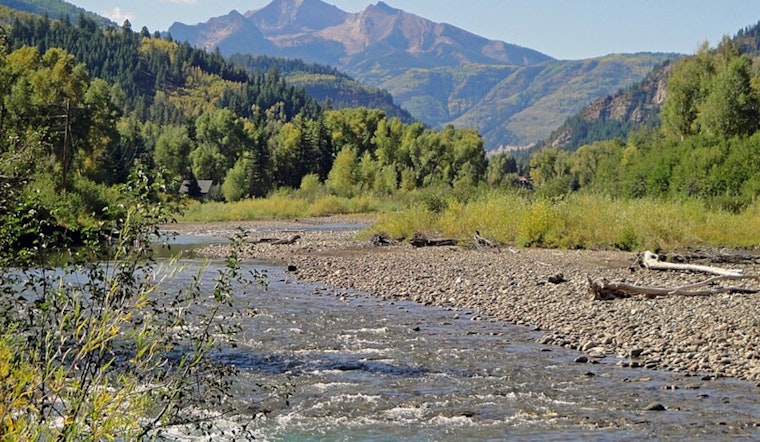
Anglers can once again cast their lines in the Crystal River, thanks to improved flow conditions. Colorado Parks and Wildlife (CPW) has announced the lifting of the full-day voluntary fishing closure that has been in effect since Aug. 13. The original measure was introduced to protect fish during a period of extreme low flow that would otherwise have increased the likelihood of fish mortality. In a statement obtained by Colorado Parks and Wildlife (CPW), Kendall Bakich expressed gratitude towards the angling community: "We want to thank anglers for their support and for going to alternative locations to fish during the voluntary closure of the Crystal River."
However, while the Crystal River has seen restrictions lifted, CPW has maintained additional voluntary closures elsewhere. These include areas on the White River in Rio Blanco County and the Yampa River, which are set to continue until further notice. The White River has experienced partial-day closures to allow the aquatic ecosystems to recover adequately from the impacts of the Lee and Elk fires, with fishing being closed from 2 p.m. to midnight in select areas.
The situation on the Yampa River is more serious. CPW has had to put a mandatory full-day closure in place on a 0.6-mile stretch below the Stagecoach Reservoir, a measure that is expected to last until Spring 2026. This closure was implemented on Oct. 2 due to decreased water flows from the reservoir, according to the CPW's notice. It's a separate issue from the closure at the Fish Creek confluence, which is in place to protect spawning mountain whitefish until Nov. 15. CPW continues to ask the public to respect these measures for the long-term health of the fishery.
Finally, CPW encourages anglers to always check the latest on destination water conditions before planning their fishing trips. A visit to CPW's website or a call to local offices can provide the necessary updates and help ensure fisheries are preserved for future enjoyment. The agency, which is primarily funded through license sales, park fees, and registration fees, emphasized the importance of their work, which contributes an estimated $6 billion annually to Colorado's economy. It's clear that while the conservation measures may require some adaptability from anglers, the long-term preservation of Colorado's natural resources remains a top priority for the state’s management.





