

























































After more than three decades, a man found dead near North Portland's St. Johns Bridge has been identified thanks to relentless DNA forensic work. The remains of Bryant Edward Deane, who is believed to have been about 39 years old at the time of his death, were discovered by workers clearing brush on August 17, 1992, but it wasn't until collaborative efforts with the DNA Doe Project that a positive ID could be cemented, FlashAlert reports.
Initial examination in the '90s estimated Dean to be a white male, nearly 50, between 5-foot-2 and 5-foot-5 in height, and possessing a notable limp due to uneven leg length. Specialized DNA analyses, including an SNP profile hinting at North Atlantic, Baltic, and western Mediterranean ancestry, did but bupkus for years in uncovering his identity. It was finally through the meticulous grind of genealogical detective work and the dedicated spit-swab of a long-lost brother that the Medical Examiner's Office, only this month, confirmed Deane's identity.
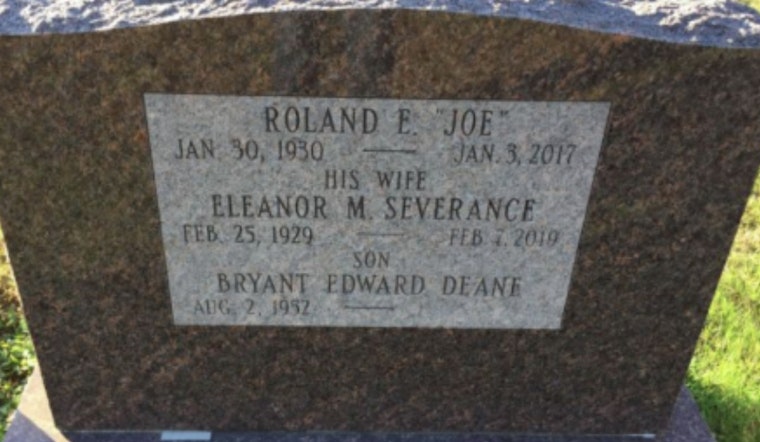
The forensic anthropologist at Oregon State Medical Examiner's Office, Hailey Collord-Stalder, laid out the narrative: after a series of DNA testing and genealogical research stretching years, they zeroed in on Deane. Efforts amped up in 2024 when the Oregon State Medical Examiner teamed with the DNA Doe Project, eventually leading to crucial findings in the GEDmatch Pro and FamilyTreeDNA databases. "This case was cold for 33 years," Collord-Stalder reflected, according to the statement given by Oregon State Police. "Bryant's parents passed in 2017 and 2019, respectively, never knowing what happened to their son. His family left a space for him on their headstone; now he can finally be laid to rest with his family."
Although Deane's cause and manner of death remain a mystery, his case showcases the persistent advancement of forensic technology and the invaluable partnership between state offices and nonprofit organizations like the DNA Doe Project. The latter's pro bono commitment to providing irrefutable names to the nameless underscores a vanishing point in cold cases—not the end of the road, but a turn in the long journey towards resolution. The Portland Police Bureau has been notified of the identification, marking a poignant close to one chapter in Portland's unsolved mysteries and setting a precedent for how unwavering dedication, merging with cutting-edge science, can bridge the gap in long-standing cold cases.





