

























































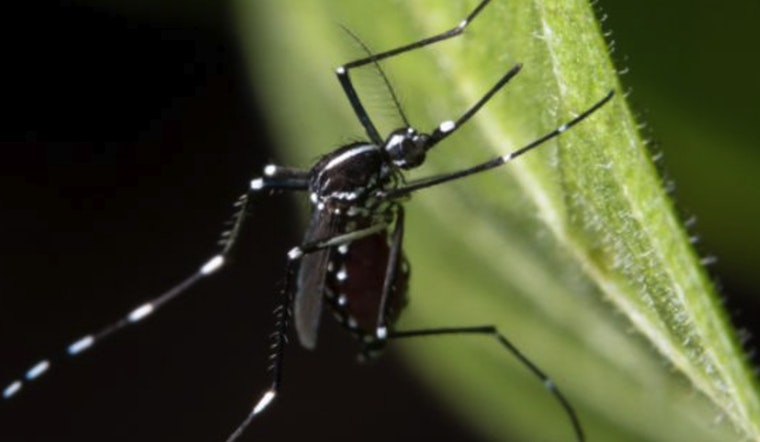
In response to the confirmation of West Nile virus in Durham County, local health officials have initiated a plan for mosquito control through ultra-low volume (ULV) spraying. The Durham County Department of Public Health has announced this measure will take place on the evenings of October 6 and 7 in Trinity Park and adjacent neighborhoods, covering areas up to one mile in various directions and delineated by notable boundaries such as HWY 147 and Interstate 85.
The agency is employing a truck-mounted spraying system to distribute ReMoa Tri, which is an EPA-registered insecticide aimed at reducing the adult mosquito population, especially those resistant to pyrethroids. Spraying is scheduled for 10:00 PM to 3:00 AM when mosquitoes are most active and temperatures are cooler. Despite the low risk posed by the insecticide due to its minimal application rate, the health department has issued a series of precautions for residents, including staying indoors and temporarily adjusting air conditioning settings to avoid drawing in outside air.
Concerns around the impact of the insecticide on human health and the environment have been addressed by the health department, advising individuals with chemical sensitivities or specific health conditions to consult with a physician if concerned. As mentioned in a statement by the Durham County Department of Public Health, "While the spray is applied at a low concentration, posing low risk to people and pets, we advise residents to take the following precautions during the application."
Furthermore, the authorities have stated measures to mitigate the impact of the spraying on bees and other pollinators, halting the procedure when approaching bee keeper properties and noting that the nocturnal timing of the operation should naturally reduce potential harm, as bees are usually in their hives during these hours. Homeowners are also recommended to cover ornamental fish ponds and to wash home-grown vegetables thoroughly before consumption. For the full list of recommendations and more detailed information about the areas affected, residents can visit the Durham County Department of Public Health's official page.



