

























































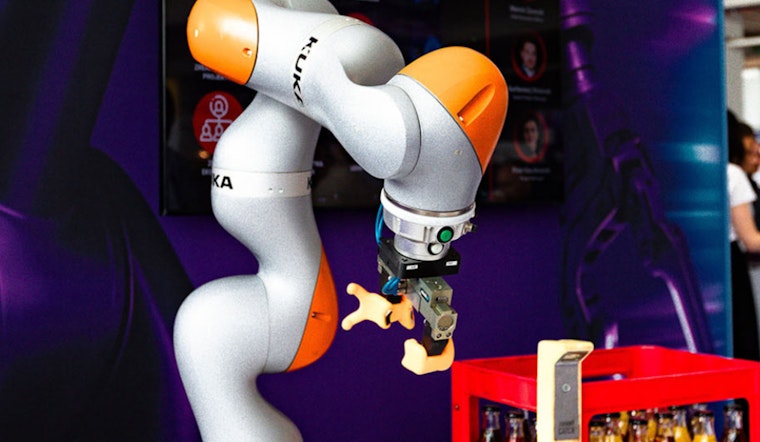
The transformation of American manufacturing through artificial intelligence is making its way to Charlotte, as industrial intelligence company DBR77 sets up shop. This European pioneer in AI-driven manufacturing solutions is extending its reach to the United States with its first office planned to open in Charlotte this October. DBR77's expansion indicates a significant move as industries increasingly look to integrate robotics to stay competitive amid labor shortages and demands for faster production.
The call for a deeper adoption of robotics in U.S. manufacturing has been steadily growing more loud, especially given that currently, a mere 8.3% of manufacturing firms in the country have brought robotics into their processes. DBR77 aims to rapidly change to this trend by introducing an AI-first platform, focusing on autonomous agents, digital twins, and a marketplace to accelerate industrial digital transformation. According to the City of Charlotte news release, the startup will land in the city with the promise of spearheading the leap from traditional manufacturing into an AI-centric future.
Torian Richardson, the newly appointed CEO of DBR77 USA and former global director at NVIDIA, emphasized the strategic choice of Charlotte for their U.S. base. “Charlotte offers the industrial base and partnerships to lead the shift from lean to AI,” Richardson said, indicating that the region is primed to be at the forefront of the industrial intelligence revolution. The company's goal, as per the official's statement on the City of Charlotte's website, is to not only modernize manufacturing but also invest in the workforce through reskilling and upskilling initiatives.
Indeed, the company is not just talking the talk; it is preparing to walk the walk by creating jobs and launching projects. DBR77 will be hiring for roles in business development, solutions architecture, and technical product management, setting up at UNC Charlotte's PORTAL building. They plan to also quickly establish their presence with 10 projects slated to launch before the end of the year in the Carolinas, replicating their European success model. This, as Richardson stated and as quoted by city news, is to "grow with manufacturers and their workforce" and to engage "manufacturers ready to move from analog to digital."
The manufacturing landscape is evidently entering a new era, with DBR77's expansion to Charlotte positioning the city at the heart of this transformation. The city's industrial base combined with DBR77's technology could herald a new chapter for the sector, impacting how goods are produced and workers are employed.



