

























































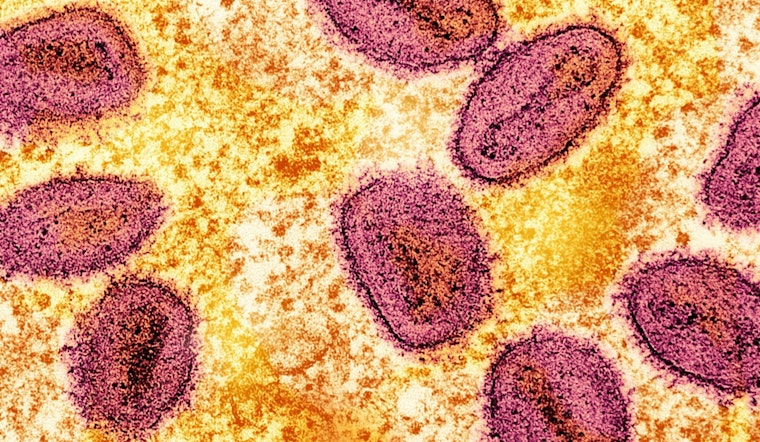
The Long Beach Department of Health and Human Services, in one coordinated effort with the California Department of Public Health, has recently confirmed a case of clade I mpox, once called monkeypox, in a local resident who had no history of recent travel. This marks Long Beach's first case of this particular strain, now adding up to seven nationwide cases, and notably, the first detected in a person without known travel connections. The affected individual required hospitalization, but is currently recovering in isolation at home, according to a recent statement.
City health officials have acted promptly to start a thorough public health investigation, which includes efforts to thoroughly trace potential sources of exposure, which means digging into social behaviors, travel history, and implementing contact tracing strategies. No additional cases have been identified in Long Beach so far, but public health authorities are remaining highly vigilant. Mayor Rex Richardson emphasized the importance of surveillance and vaccination in the up-to-date response, mentioning in an announcement, "While the overall risk of mpox clade I exposure to the public remains low, we are taking this very seriously and ensuring our community and health care partners remain vigilant so we can prevent any more cases."
Clade I mpox is known for causing more severe illness compared to clade II, and it's been largely associated with regions in Central and Eastern Africa until now. The symptoms, including rash, fever, and swollen lymph nodes, are similar between the strains, but public health messaging has stressed that anyone can catch the virus through close physical contact or touching contaminated surfaces, and it is not restricted to any specific race, ethnicity, or sexual orientation. Public health officials are urging anyone with unexplained rashes or lesions to avoid intimate contact and seek medical help promptly.
As of now, the California Department of Public Health recommends vaccination for those who might be at increased risk of mpox exposure. This includes gay, bisexual, and men who have sex with men, transgender and non-binary individuals, the immunocompromised, and those planning to travel to areas with ongoing outbreaks. The vaccine available, JYNNEOS, has been reported to provide protection against both strains of mpox. There's no recommendation yet for a booster shot for those who have completed the two-dose series. Vaccines are to be found at local pharmacies, and residents might want to call ahead to check for availability or use tools like the statewide mpox vaccine locator to find where they can get their shots. Dr. Cliff Okada of the Long Beach Health Department laid out the city's strategy, stating, "We are working with state and federal partners to identify the source, notify potential contacts and provide access to testing and vaccination."
In 2025, Long Beach has seen a total of seven mpox cases, this latest being specifically of the clade I type, with confirmation coming through testing carried out by the CDPH and additional analysis undertaken in coordination with the CDC. For more details or for guidance on vaccinations and symptoms, Long Beach residents can contact the city's health department directly. More info is also accessible online at the Long Beach city webpage and through the department's social media channels.





