

























































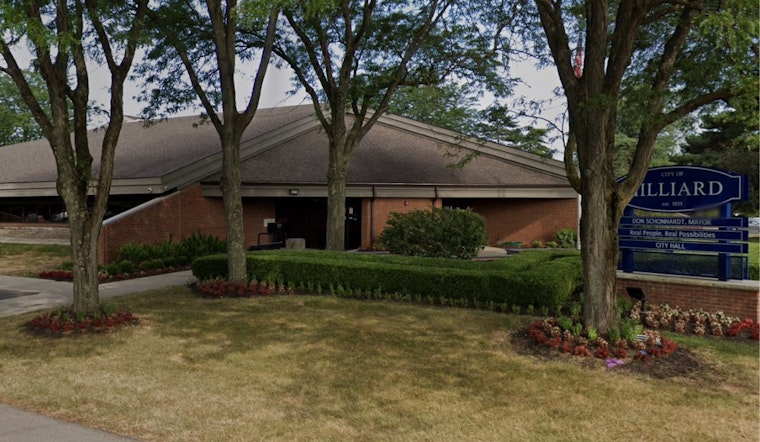
Hilliard Division of Police is stepping up to directly address the challenges that drivers with disabilities face during traffic stops with their new "Blue Envelope" program. Designed to make sure that officers and individuals are able to communicate effectively, the program is a nod to inclusivity and understanding. According to City of Hilliard, Ohio Gov, this voluntary initiative is aimed specifically for those whose conditions may impact communication or their capability to quickly perform a task during the high-pressure environment of a traffic stop.
Chief of Police Michael Woods said in a statement obtained by the City of Hilliard, "This is a way to we can support drivers with disabilities during what can be a stressful interaction." He outlined how the sensory overload of blaring sirens, flashing lights, and the general din of police radio chatter could be particularly overwhelming for some people, necessitating a tool to ensure clear and calm communication. With a Blue Envelope in hand, drivers can provide, upfront, pertinent information that may include their driver's license, registration, proof of insurance, and crucially, any specific communication needs or accommodations.
The Blue Envelope program appears to equally respect the duties of law enforcement as it does the dignity of citizens with disabilities. It's a simple, yet impactful change in protocol that hints at a broader move toward a system that more meticulously accommodates the diverse array of human conditions. "Disabilities such as autism spectrum disorder, dementia, physical disability, or mental health conditions may require additional accommodation or awareness during a law enforcement interaction," Travis Dresbach, co-coordinator for the Southern Ohio Advocacy Group, explained. His endorsement strengthens the Blue Envelope's standing as a bearer of vital health or disability information, which he confirmed in a press release covered by the City of Hilliard, Ohio Gov.
Residents interested in the program can pick up Blue Envelope packets at the Safety Services Building, where they can also obtain a car decal to alert first responders to a disability within the vehicle, a subtle yet powerful emblem of the city's steps to more inclusively protect and serve all its inhabitants. This program, made possible through collaborations including the Ohio Developmental Disabilities Council and the Southern Ohio Council of Governments, becomes a profound addition to the city's fabric of community care initiatives. "It’s amazing that something as simple as an envelope can do so much," remarked Dresbach, according to the City of Hilliard, recognizing the profound simplicity and potential in the Blue Envelope program. As traffic stops continue to serve as a litmus test for police-community relations, Hilliard's new endeavor could become a vital part of the conversation on disability rights and law enforcement nationwide.





