

























































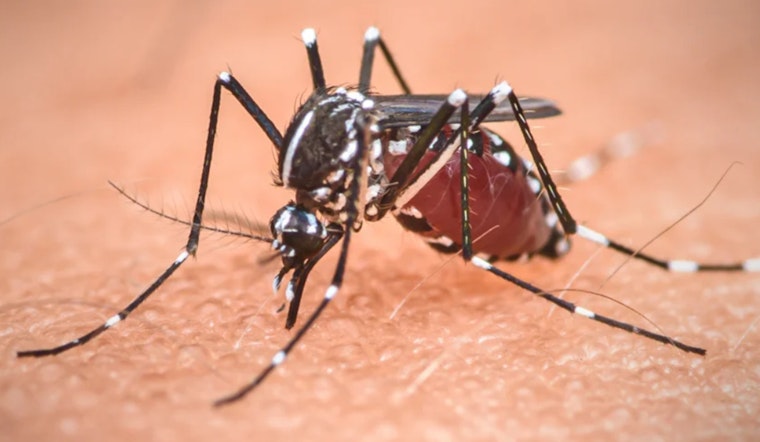
As Hillsborough County residents fire up their grills and revel in the evening calm, the unwelcome hum of mosquitoes becomes part of the summer soundtrack. Yet, these pests are more than a mere nuisance—they are a public health concern. The local Aedes aegypti and Aedes albopictus mosquitoes, vectors for diseases like dengue and zika, are buzzing with activity, laying eggs in the small containers that litter our backyards. The Culex quinquefasciatus species isn't far behind, spreading the West Nile virus from their watery breeding grounds amidst aquatic plants and organic waste. A recent report by Hillsborough County's official website outlines what locals need to know to stay safe.
The threat of mosquito-borne illnesses peaks around May to October, when humid conditions allow standing water—mosquitoes' preferred nursery—to proliferate. According to the Hillsborough County website, "nearly two-thirds of the annual rainfall occurs between June and September," creating ideal conditions for mosquitoes to lay eggs. Worryingly, a mild winter means that these insects don't just vanish once summer fades; they hang around, itching to bite, all year long.
Understanding the enemy is key to defense; female mosquitoes seek out blood to nourish their future offspring, following a life cycle that can see them transform from egg to adult in just six days under the county's steamy conditions. "The mosquito life cycle has four stages: Egg, Larva, Pupa, Adult," the county website specifies—the rapid reproduction rate is a clear call to action for residents.
To keep safe, it's not just about swatting away the mosquitoes that come too close—it's about preventing their proliferation. The mantra? Eliminate standing water. Turn over buckets, clear out gutters, and replace birdbath water regularly. Water samples have been collected in specialized dipping cups to reveal these pesky larvae and make the invisible, visible. As the report indicates, consistent property maintenance coupled with the right protective clothing can let you reclaim those summer nights—sans bites.



